Skip to content
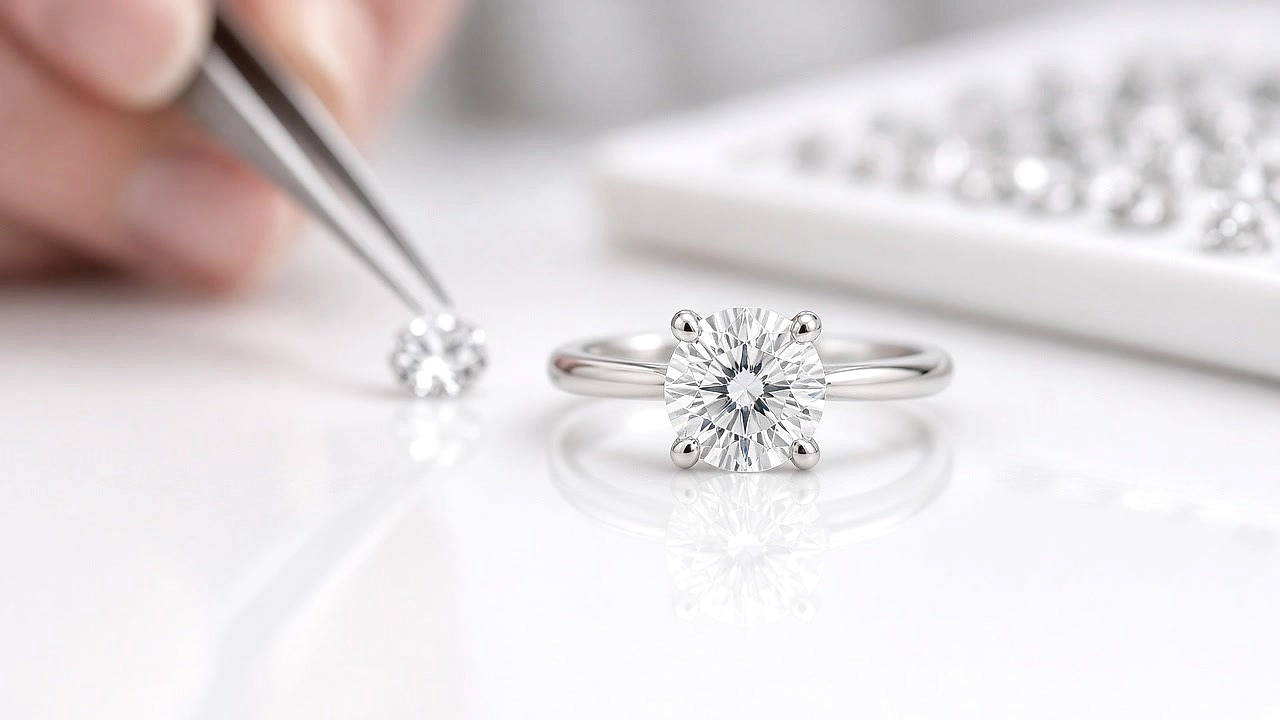
Lab-grown diamond solitaire ring with tweezers and loose diamonds on white studio

Will a Jeweler Work With Lab-Grown Diamonds?

September 13, 20265 min readBy Layla Al Ansari

Will a jeweler work with lab-grown diamonds? Plenty do, if the stone is documented diamond. Bring the IGI-certified report. Zoya Diamond sets laboratory-grown stones only.

01

Will a Jeweler Work With Lab-Grown Diamonds?

People ask will a jeweler work with lab-grown diamonds after they already own the stone, or before they buy one loose. The fear is practical. Will someone set it. Will someone size the band. Will a bench refuse the job because the ticket says laboratory-grown.

Short answer: many jewellers will. The ones who refuse usually refuse the paperwork, the inventory mix, or the margin, not the carbon. A lab grown diamond is still diamond under the claws.

At Zoya Diamond we set IGI-certified lab-grown diamonds only. We design for that origin on purpose. If you are shopping elsewhere, the questions below still travel with you.
02

What "work with" usually means

When buyers type jeweler work with lab grown diamonds, they often mean setting a loose stone, building or altering a lab grown diamond engagement ring, resizing the shank, or repairing a claw that opened in daily wear.

All four are ordinary jeweller work when the stone is diamond. Hardness is Mohs 10 either way. Heat from a torch still needs care around the girdle. Prongs still need seats that fit the outline. Origin does not change the physics of a claw.

What can change is shop policy. Some benches only touch stones they sold. Some ask for an IGI-certified report before the stone leaves your hand. Some will work on a lab grown diamond and still prefer to sell mined centres from their own tray. Ask the policy out loud before you drop the parcel.

03

Why some shops hesitate

Shop talk mixed separate fears for a long stretch. One was confusion with simulants. Moissanite and cubic zirconia are not diamond. A careless listing that said lab over those materials trained staff to flinch. Keep the flinch. Ask for the report.

Another fear was inventory. A retailer built around mined parcels may not want to retrain sales language overnight. That is a business choice. It is not a verdict on your stone.

Margin is the third. Laboratory-grown prices moved as supply scaled. Some counters watched ticket patterns change and slowed their embrace. You may meet that attitude. You may also meet a bench that already sets lab grown diamond centres every week. Both exist in the same city.

We would rather you hear the policy early than argue origin after the ring is open on the pad.

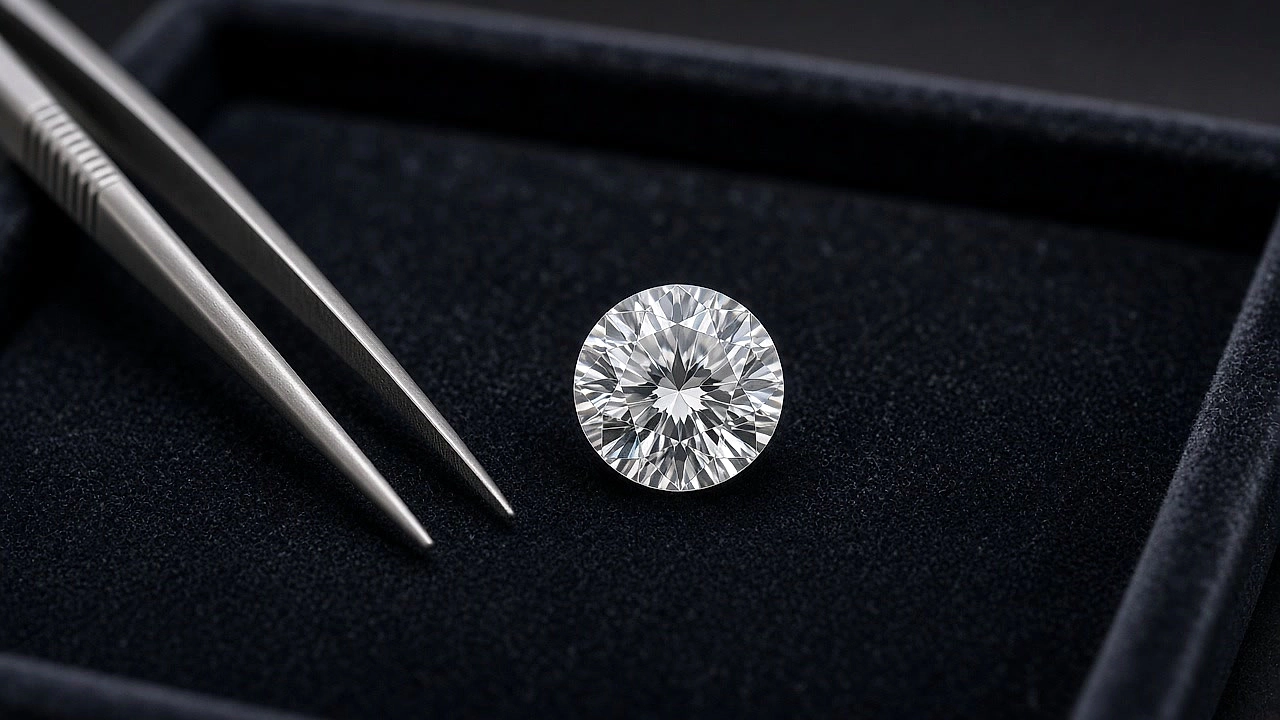
Loose round brilliant lab-grown diamond beside tweezers
04

What to bring to the counter

Carry the IGI-certified report, not a screenshot alone. If the girdle is inscribed, the number should match the paper. We ask buyers to verify the number on IGI's site while they still sit with us. Do the same wherever you go.

Say laboratory-grown out loud. Trade rules expect clear origin language. A shop that answers with fog words is telling you something about how they sell.

Ask whether they will set a customer-owned lab grown diamond. Ask whether sizing and claw repair are available after purchase. Ask how they insure a stone left for work. Ordinary questions. The answers sort a willing bench from a polite no.

If the shop only works on their own stock, that is a clean answer. Look for a jeweller whose inventory already includes lab-grown, or a house like ours that builds around it.

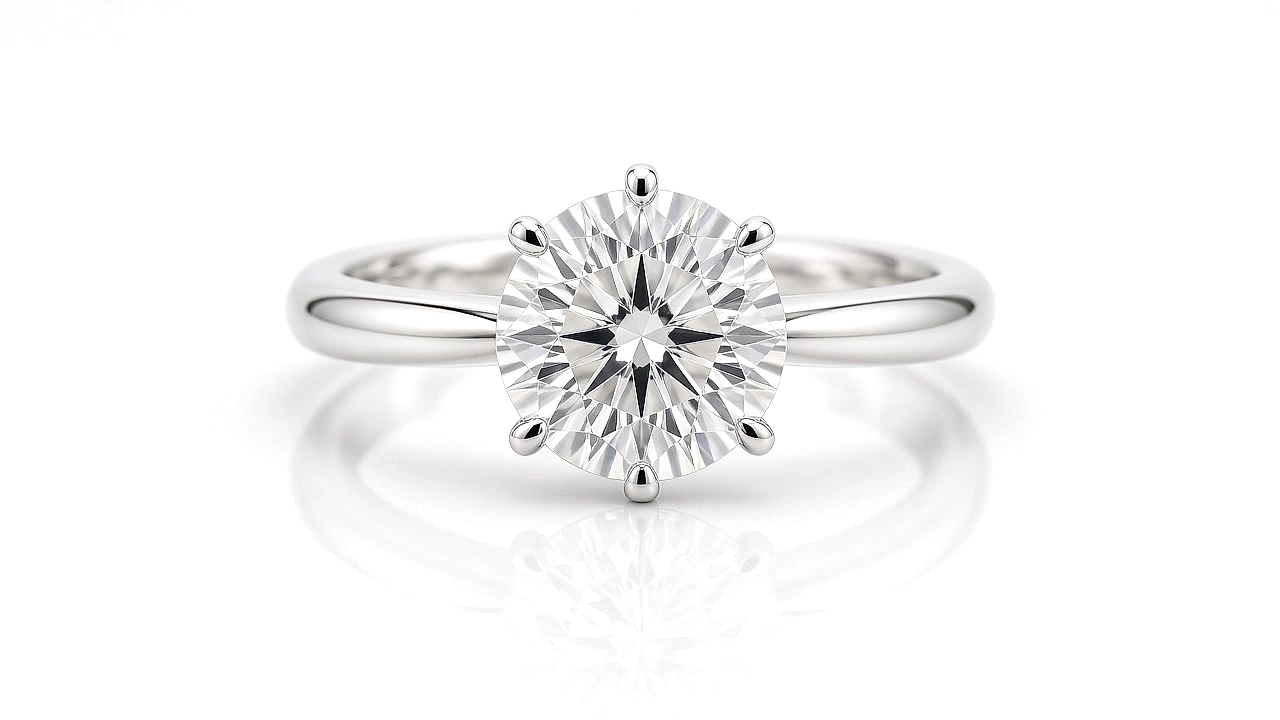
Round brilliant lab-grown diamond solitaire in white metal
05

Custom work and a lab grown diamond engagement ring

Custom does not require a mined centre. A CAD model, a wax, a cast shank, and a set of claws care about outline and depth. Round brilliant, oval, emerald cut: the seat follows the stone you chose.

A lab grown diamond engagement ring from a specialist starts with the report in the folder. Cut still matters more than the reactor story. We would rather you compare two cuts in the light than memorise growth method names.

Yellow gold, white gold, and platinum change how the edge of the diamond reads on the hand. Try metal on skin when you can. The stone stays laboratory-grown either way.

If a jeweller says they cannot custom-set a lab grown diamond for technical reasons, ask what those reasons are. Hardness is not one of them. Skill and policy are.

06

Repairs, resizing, and aftercare

Soap film dulls any diamond until you wipe it. A soft brush and warm water still work. Store the ring so the diamond does not grind a softer gem beside it.

Claws open. Shanks need size changes after a season of wear. Those jobs do not care that the IGI page says laboratory-grown. They care that the setter knows diamond and that the shop accepts the stone.

Some insurers want the IGI number on file for a lab grown diamond. Ask how your policy stores replacement value. We try to put a copy of the report in your folder before you leave.

If a repair shop asks you to leave the stone without paperwork, pause. Paper and stone travel together for a reason.

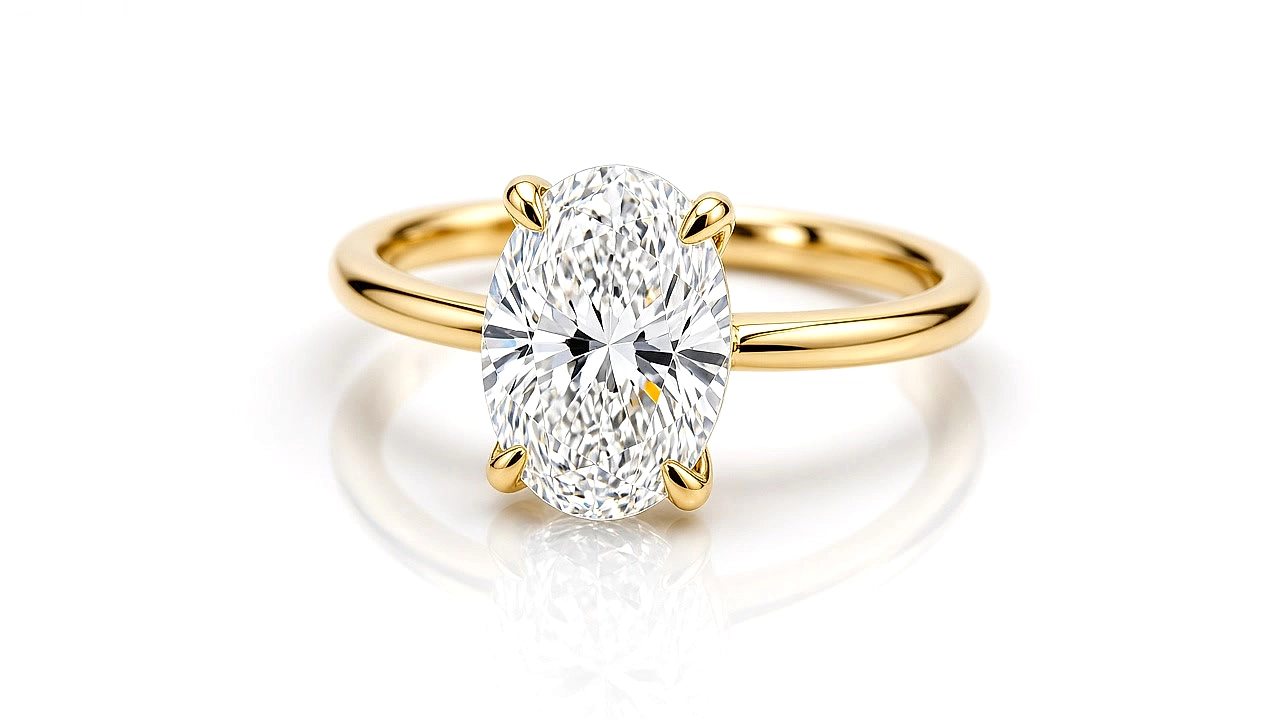
Oval lab-grown diamond solitaire in yellow gold
07

How Zoya Diamond answers the question

Will a jeweler work with lab-grown diamonds? We do, every day, because that is the inventory we hold. We do not keep mined centres in the tray. We still talk through why someone might want mined elsewhere.

When you buy with us, setting, sizing guidance, and the IGI-certified report sit in the same conversation. Origin is not a side note. It is the product line.

If you already own a lab grown diamond from another seller, ask us what work we can take on and what we cannot. Honest scope beats a vague yes.

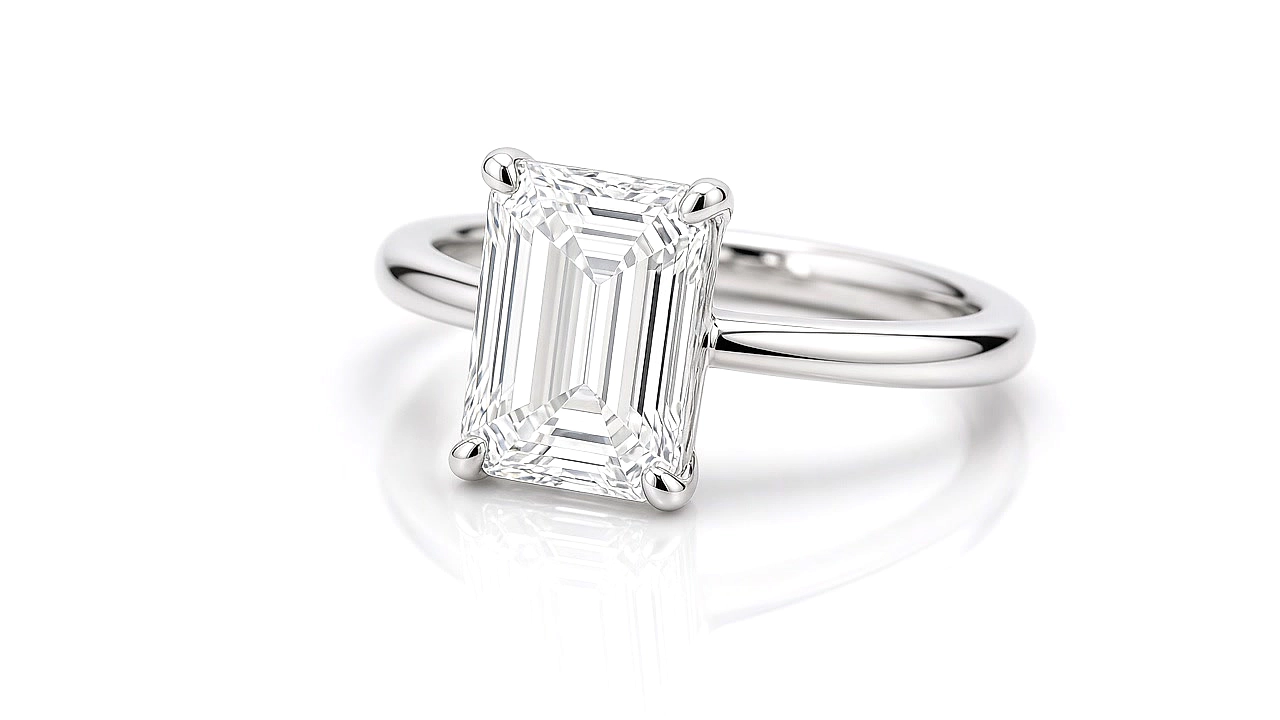
Emerald-cut lab-grown diamond solitaire in white metal
08

Questions that clear the room

Ask: Do you set customer-owned laboratory-grown diamond? Do you resize bands that hold a lab grown diamond? Do you repair claws on stones you did not sell? What report do you need on file?

Ask to see how they talk about origin on their own tickets. Laboratory-grown or mined should be plain. If the language slides into costume jewellery talk for a carbon stone, walk.

See the stone, see the paper, match any girdle inscription. Then decide whether that bench is the one that will hold your ring in five years.

If will a jeweler work with lab-grown diamonds is still sitting in your notes, bring the notes in. We would rather walk an IGI-certified lab grown diamond through the light with you than sell you a paragraph. Look through Zoya Diamond lab-grown diamond jewellery, including lab grown diamond engagement ring styles, and ask what work we will take on for the stone you choose.

Written by

Layla Al Ansari

Luxury Lab-Grown Diamond Specialists

Zoya Diamond is a luxury jeweller specialising in lab-grown diamonds, bespoke engagement rings, and high jewellery. Our editorial team writes about diamond grading, jewellery care, and how to choose the right stone for your story.

  • Lab-grown diamonds
  • Diamond grading and certification
  • Engagement ring selection
  • Bespoke jewellery design
  • Diamond care and maintenance
Will a Jeweler Work With Lab-Grown Diamonds? | Zoya Diamond