Skip to content
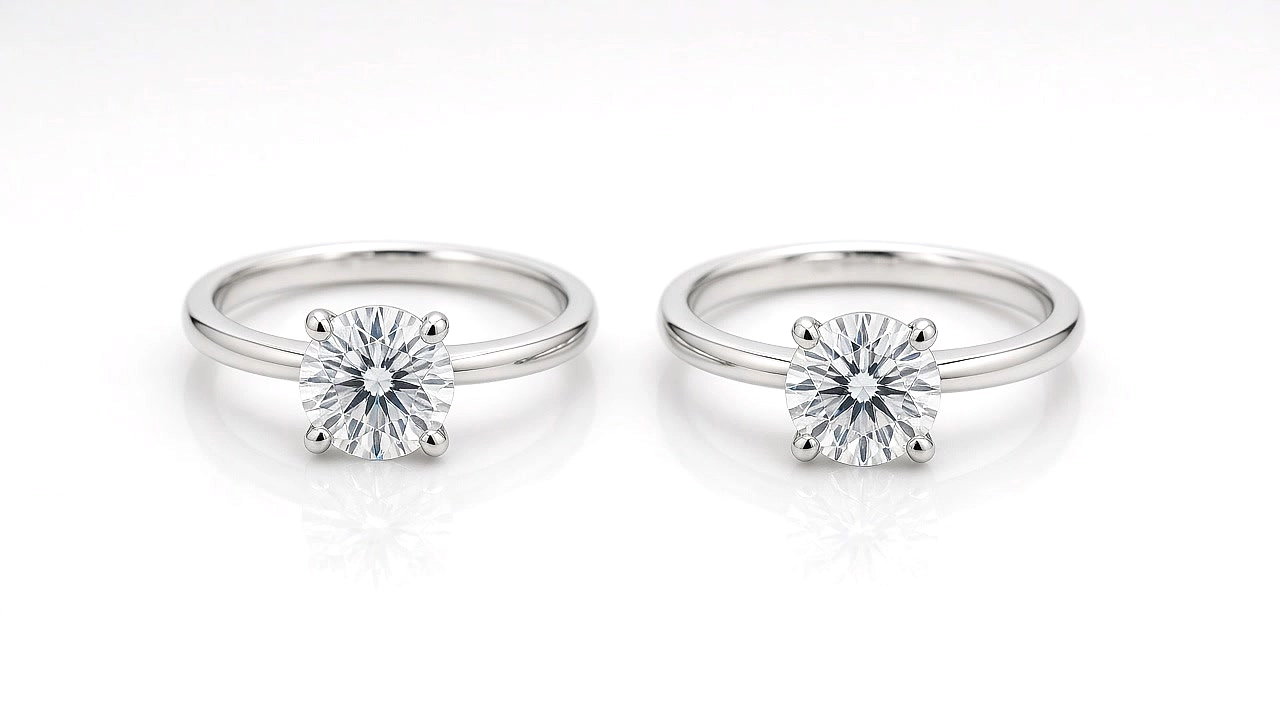
Two round brilliant lab-grown diamond solitaire rings on white studio surface

Lab-Grown vs Natural Diamonds: What's the Real Difference?

September 13, 20265 min readBy Layla Al Ansari

Lab grown vs natural diamond is a question about origin. Both are carbon diamond at the same hardness. Zoya Diamond sets IGI-certified laboratory-grown stones only and walks the report with you.

01

Lab-Grown vs Natural Diamonds

Buyers type lab grown vs natural diamond when they want one clean split. Hardness will not give it to them. Both stones scratch sapphire. Both sit at Mohs 10. The split that holds is origin, and the place that records it.

Natural, in trade language, means mined. Laboratory-grown means grown under controlled conditions from a seed. Chemistry matches. Light return matches when the cut is sound. The IGI-certified report is where the word laboratory-grown appears.

At Zoya Diamond we set laboratory-grown diamonds only. We still answer the comparison honestly, because many of you walk in holding both words.
02

What stays the same under the loupe

A lab grown diamond and a mined diamond share the carbon lattice. Refractive index sits in the same band. Thermal conductivity behaves like diamond, which is why a thermal tester usually reads both as diamond.

Facet junctions on a well-cut stone look sharp either way. A lazy cut looks lazy either way. Windows in an emerald cut show up for the same reasons. We would rather you compare two cuts of known origin than invent a mythical look that belongs to one category alone.

Colour language uses the D-to-Z scale on IGI-certified reports for laboratory-grown stones. Clarity uses the same family of terms you already know. The report is not a story about romance. It is a record of what the lab measured.

Many IGI-certified stones carry a laser inscription on the girdle that matches the report number. Walk that girdle under a 10x loupe. Match the number. Origin is paperwork work. Your unaided eye will not print it.

03

Where origin and supply diverge

Mined diamond comes out of the ground in parcels that took geological time. Supply is constrained by what the earth yields and by how the trade moves those parcels. Laboratory-grown diamond starts from a seed and grows through HPHT or CVD. Factories scaled. Output rose. Tickets moved.

That supply difference shows up in price more than in sparkle. A lab grown diamond often costs less per carat than a mined stone of like grade and cut. We do not invent a fixed percentage here. Ask for like-for-like tickets in the room, same shape, same report language, same setting metal.

Rarity narratives attach more easily to mined parcels. A lab grown diamond is documented carbon with a printed origin. If scarcity is the job you want the stone to do, say that early. We do not hold mined inventory. We can still name why someone would choose it.

Growth method may appear on the report. HPHT uses high pressure and high temperature. CVD grows from carbon-rich gas on a seed plate. You do not need to run a reactor to buy a ring. You do need the origin line and a cut you can see.

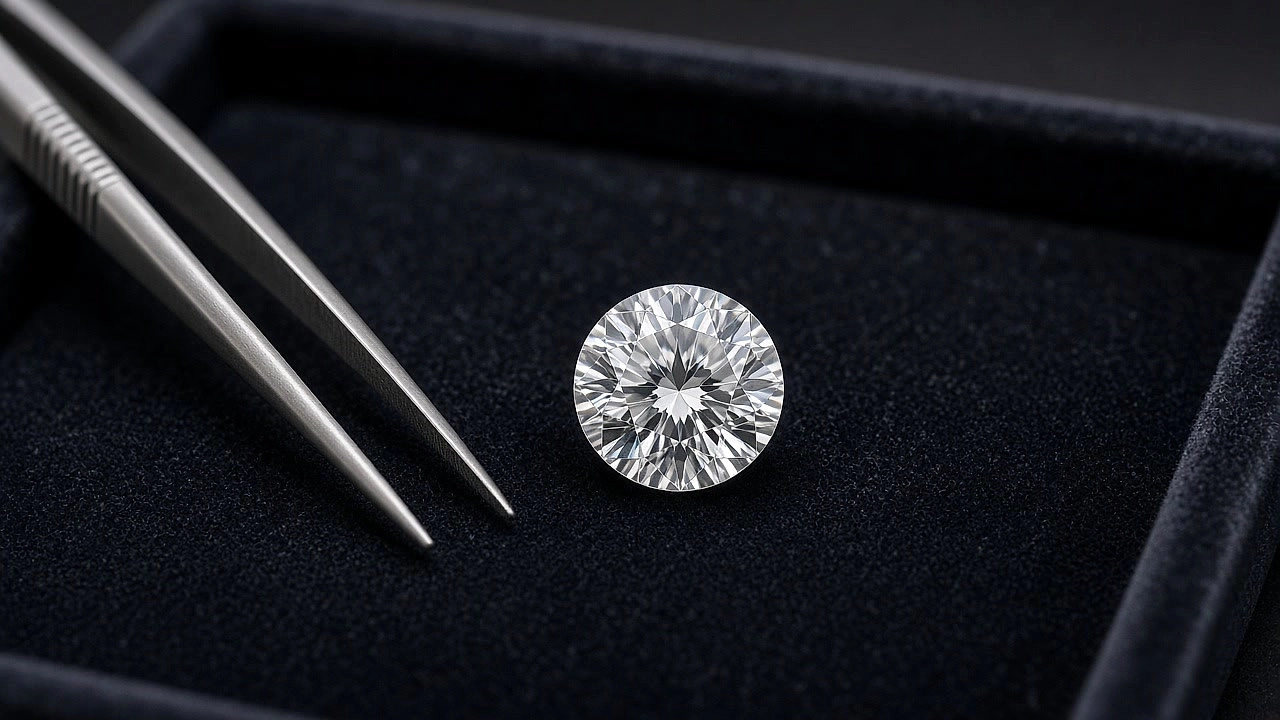
Loose round brilliant lab-grown diamond beside tweezers
04

Price and resale on the secondary market

Lab grown diamonds vs mined is often a budget conversation wearing an authenticity coat. The centre stone can step up in carat for the same household number when the stone is laboratory-grown. That is a preference. Some buyers still want mined for family habit or for how the secondary market has behaved historically.

The secondary market for laboratory-grown is younger and thinner. Prices have moved as production scaled. We have watched tickets come down. If you need the stone to act like a scarce mine parcel on resale, a lab grown diamond will not perform that role the way older mined markets sometimes did.

Insurance typically treats either stone as jewellery with a stated replacement value. Ask how your insurer wants the IGI number stored. We try to put a copy of the report in your folder before you leave.

Trade rules in the United States treat a laboratory-grown stone as diamond when chemistry and optical behaviour match a mined stone. Sellers still have to disclose laboratory-grown. Buyers have a right to origin. That disclosure is the useful half of the lab grown vs natural diamond debate.

Wear does not care about the mine. Soap film dulls either stone. Sunscreen on the band is still a nuisance. Warm water and mild soap handle ordinary cleaning. A soft brush helps if the setting is open. Store the ring so the diamond does not grind a softer gem in the same box. Hardness 10 is not a promise the girdle cannot chip.

At Zoya Diamond the comparison ends at the tray. Same light. Same loupe. Paper next to stone. If growth method is noted on the IGI page, read that line too.

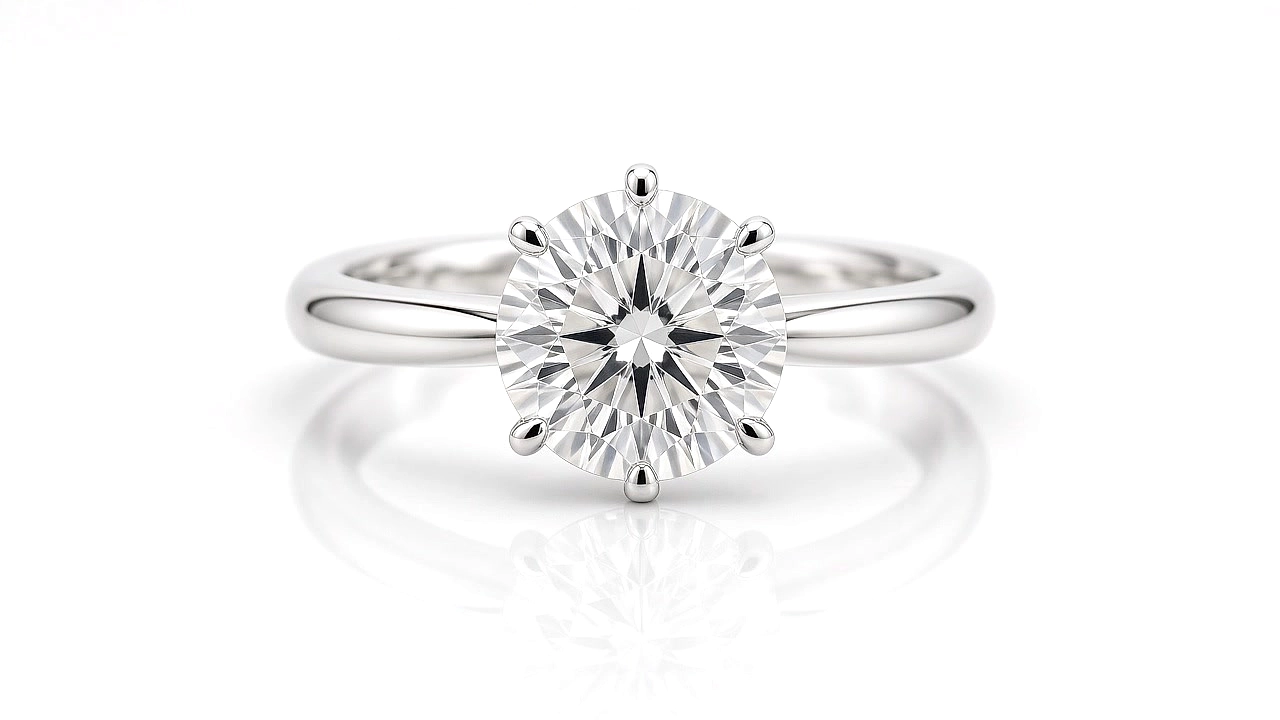
Round brilliant lab-grown diamond solitaire in white metal
05

A lab grown diamond engagement ring next to a mined one

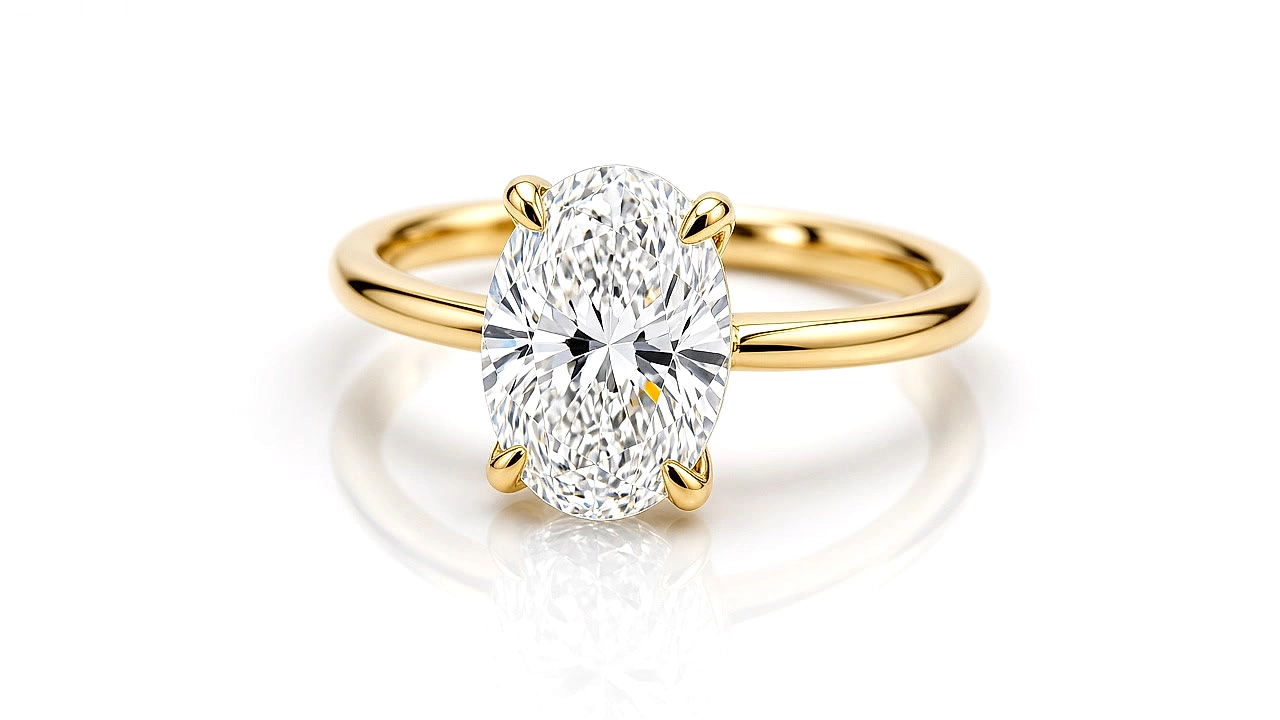
On the hand, a lab grown diamond engagement ring of sound cut wears like diamond of the same outline and setting. Round brilliant is the outline most people already call diamond. Oval stretches light down the finger. Emerald cut shows windows if the cut is lazy, and a quiet open table if proportions are sound.

Yellow gold and white gold change how the edge of the diamond reads against skin. Try the same outline in two metals if you can. Origin stays on the paper. Your eye may shift with the metal.

Lab diamond vs mined diamond arguments that start with "you can tell by the flash" usually end with a loupe and a shrug. Shops cannot reliably split origin with a loupe alone. Screening sits with the grading lab. That is why we keep pointing at the IGI page.

Simulants are a different shelf. Moissanite is silicon carbide. Cubic zirconia is an oxide. Those are not the lab grown vs natural diamond question. Keep that flinch for listings that use lab as fog over a non-diamond.

06

How we talk through the choice at the counter

We prefer two labels and no poetry: laboratory-grown diamond, or mined diamond. If a page says only diamond and the ticket looks like a favour, ask where the origin line is.

Bring the questions you already typed. Lab grown vs natural diamond. Lab grown diamonds vs mined. Ask to see the IGI-certified report next to the stone. Match any girdle inscription. Read growth method if it is noted. Buy the cut you can see in the room.

Some of you will leave with laboratory-grown because the carat and the cut fit the budget. Some of you will still want mined for reasons that have nothing to do with hardness. Both are legitimate preferences. We stock one side of that split.

If you are still holding lab grown vs natural diamond as an open file, bring it to the tray. We would rather walk an IGI-certified lab grown diamond through the light with you than sell you a paragraph. Look through Zoya Diamond lab-grown diamond jewellery, including lab grown diamond engagement ring styles, and ask for the report on any stone that holds you.

Oval lab-grown diamond solitaire in yellow gold

Written by

Layla Al Ansari

Luxury Lab-Grown Diamond Specialists

Zoya Diamond is a luxury jeweller specialising in lab-grown diamonds, bespoke engagement rings, and high jewellery. Our editorial team writes about diamond grading, jewellery care, and how to choose the right stone for your story.

  • Lab-grown diamonds
  • Diamond grading and certification
  • Engagement ring selection
  • Bespoke jewellery design
  • Diamond care and maintenance