Skip to content
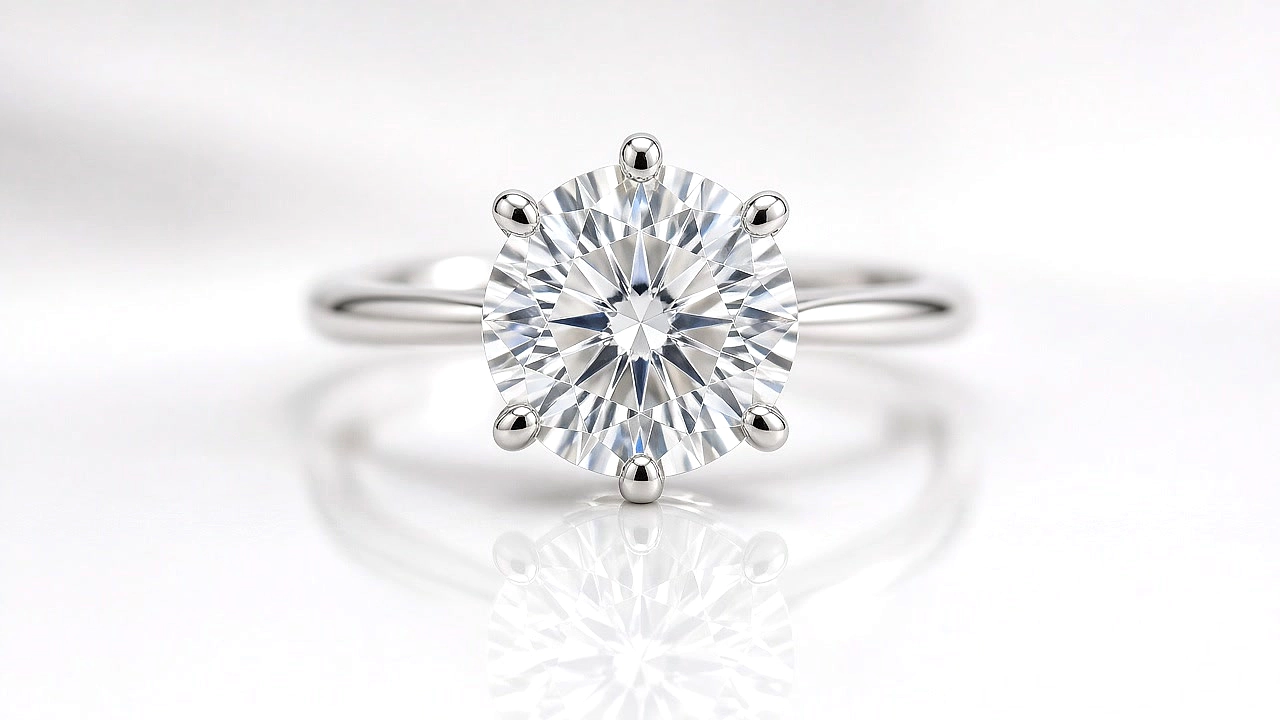
Round brilliant lab-grown diamond solitaire six-prong on white studio

Lab-Grown Diamonds vs Moissanite: Which Should I Choose?

September 14, 20265 min readBy Layla Al Ansari

Lab grown diamonds vs moissanite is a material choice. A lab grown diamond is carbon diamond. Moissanite is silicon carbide. Zoya Diamond sets IGI-certified laboratory-grown diamonds only.

01

Lab-Grown Diamonds vs Moissanite

Lab grown diamonds vs moissanite is not a taste debate dressed as science. The materials differ. A lab grown diamond is diamond: carbon in a diamond crystal. Moissanite is silicon carbide. Both can look bright in a shop light. They are not the same stone.

Choice then follows what you want on the report, on a tester, and on the hand after years of wear. Hardness, optical behaviour, and labelling habits all matter.

At Zoya Diamond we set IGI-certified lab-grown diamonds only. We do not sell moissanite centres. We still explain the split so you can shop elsewhere with clear terms if that is your path.
02

Chemistry and hardness without the brochure gloss

Diamond is carbon. Mohs hardness is 10. Laboratory-grown and mined diamond share that lattice class. Toughness still has limits. Girdles chip when force finds an edge.

Moissanite is silicon carbide. Hardness sits near 9.25 on the Mohs scale. That is hard enough for daily rings and softer than diamond. Over long wear, diamond resists abrasion better. Moissanite still outperforms many jewellery stones.

Density differs. Side-by-side, experienced hands sometimes notice weight for like size. Eyes alone will not always call it. Chemistry is the root difference. Marketing synonyms are not.

If a page says lab stone and means moissanite, that page failed disclosure. Laboratory-grown diamond and moissanite should not share a fog label.

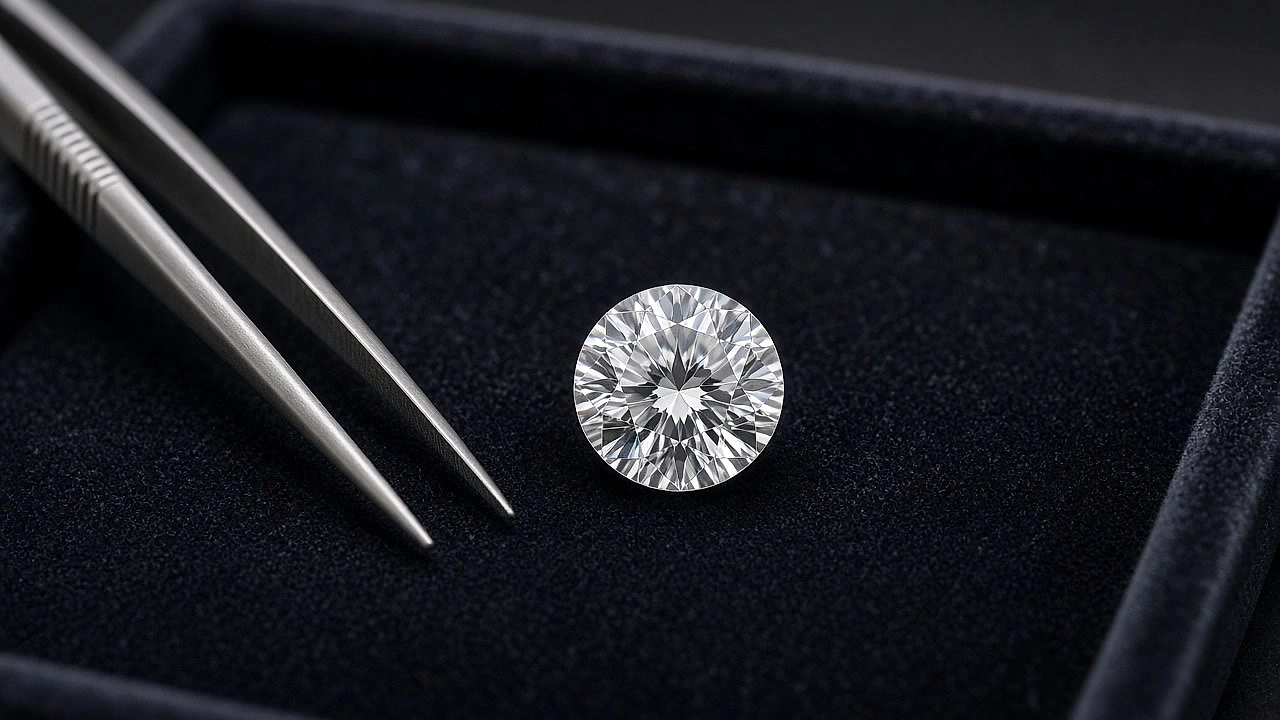
Loose round brilliant lab-grown diamond beside tweezers
03

What your eye sees: brilliance and fire

Diamond returns light with a balance of white brilliance and spectral fire that many people already call diamond. Moissanite often shows stronger rainbow fire, especially in larger sizes under mixed lighting. Some buyers like that flash. Some find it busy next to a diamond they know.

Cut quality changes both materials. A well-cut moissanite can look calm. A poor diamond cut can look dull. Compare stones in the room rather than relying on product photos alone.

Colour behaviour differs too. Moissanite has its own colour grading language in the trade. Diamond colour uses D-to-Z on reports such as IGI for laboratory-grown stones we sell. Do not assume the letters translate one-for-one across materials.

04

Testers: where shops get mixed results

A thermal diamond tester typically reads a lab grown diamond as diamond. Heat moves through carbon diamond that way. Older thermal probes can read moissanite as diamond too. That false pass is widely known among jewellers who see both.

Shops that handle moissanite often add an electrical or dual tester, or they rely on optical habits and paperwork. A loupe will not reliably split laboratory-grown diamond from mined diamond. The same loupe may still help a trained eye notice facet wear patterns or doubling in some moissanite cuts, though you should not bet a purchase on a quick glance.

If someone demonstrates a single beep and calls the case closed, ask which tester and which material they claim. For diamond, we prefer the IGI-certified report beside the stone. Origin and material identity sit on paper for laboratory-grown diamond.

Cubic zirconia is a third material. It is softer and usually fails a diamond thermal test. Do not park CZ, moissanite, and laboratory-grown diamond in one mental drawer.

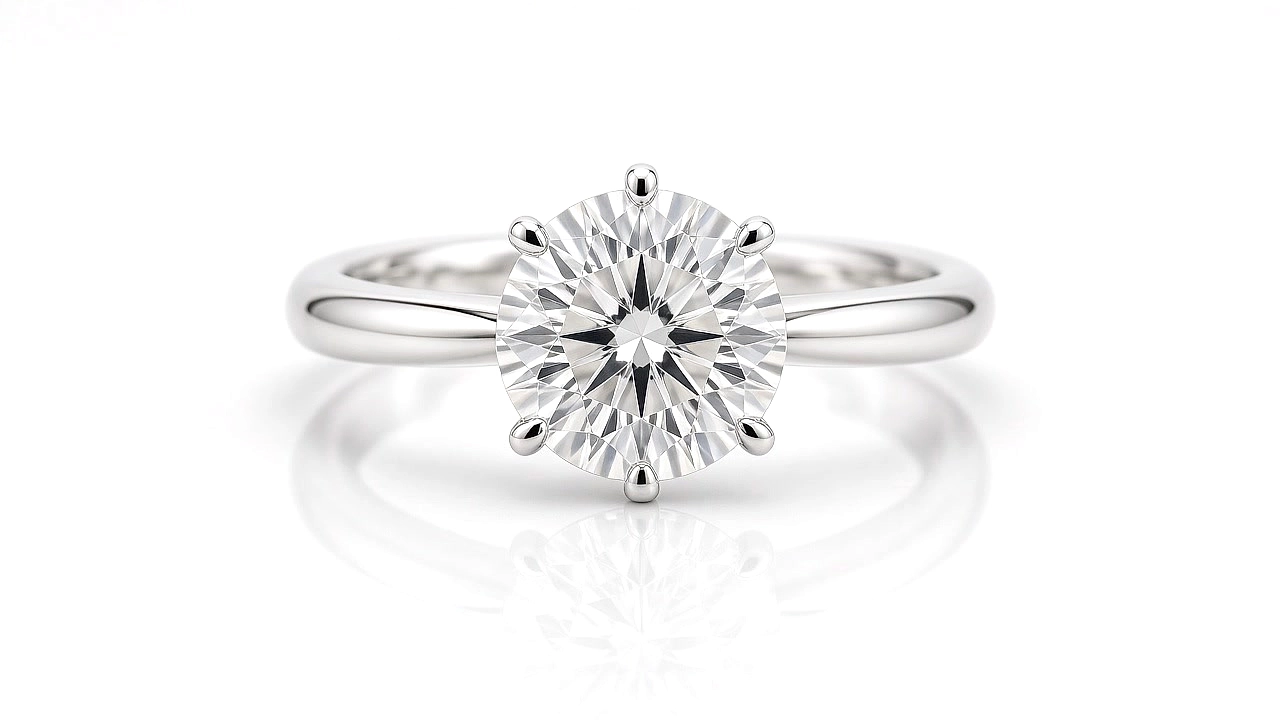
Round brilliant lab-grown diamond solitaire in white metal
05

Durability and daily wear

A lab grown diamond engagement ring wears as diamond of the same cut and setting. Clean film off the table. Check claws. Mind sharp corners on step cuts.

Moissanite also handles daily wear for many people. It can still scratch relative to diamond over long abrasive contact, and it can chip on impact like other brittle gems. Setting design matters for both.

Repair benches treat diamond as diamond for torch work. Moissanite has its own heat and handling notes. Tell the jeweller what you have. Hand them any report or maker document you were given.

Longevity of sparkle for diamond is mostly cleanliness and cut. For moissanite, cleanliness matters too, and some owners notice the fire pattern more than a diamond neighbour would.

06

Price, paperwork, and resale talk

Moissanite often costs less than a laboratory-grown diamond of similar size. That gap is a practical reason people choose silicon carbide. It is not proof that moissanite is diamond on sale.

Laboratory-grown diamond tickets have also moved as supply scaled. Compare live quotes for the size and quality you want. We will not invent carat prices here.

Paperwork differs. An IGI-certified lab grown diamond report states laboratory-grown and records the 4Cs on diamond scales. Moissanite may arrive with maker grading or different lab documents. Read what you are handed. Verify when a verification path exists.

Secondary markets differ. Diamond and moissanite do not share one resale lane. If resale is your job, say so early and study that market on its own. Wear purchases should not pretend to be bullion.

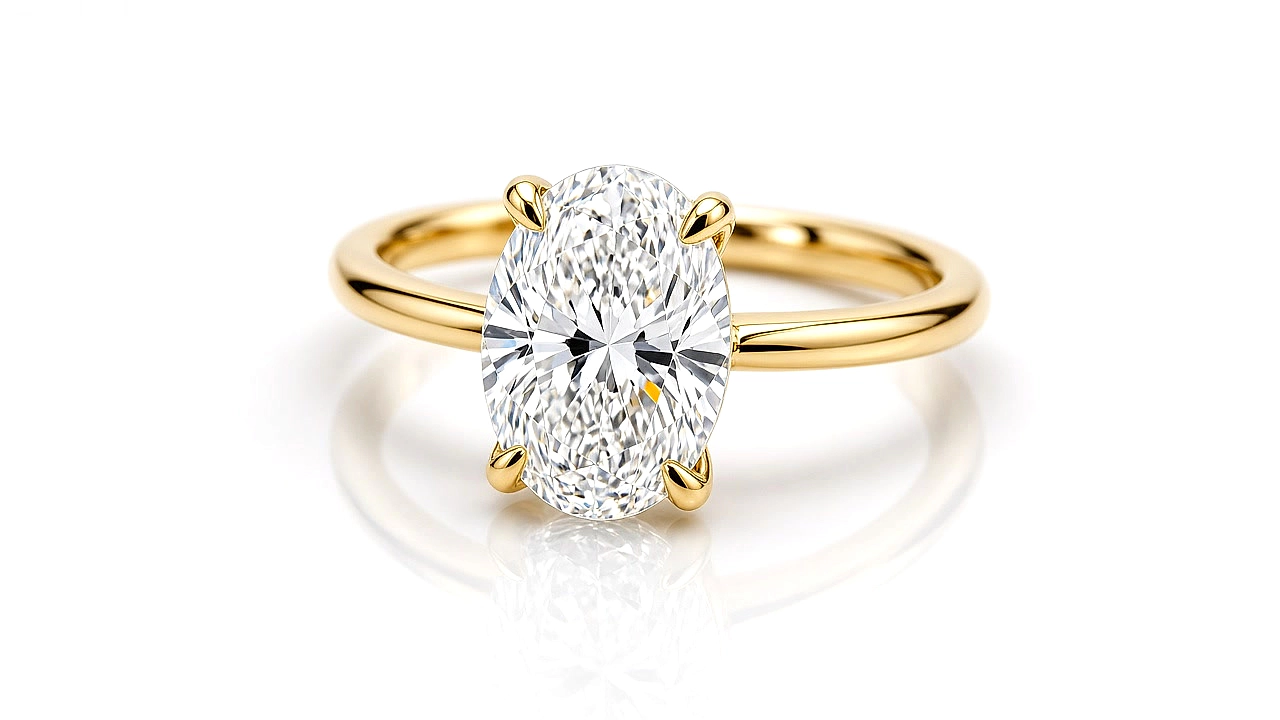
Oval lab-grown diamond solitaire in yellow gold
07

How to choose without sales pressure

Choose a lab grown diamond if you want carbon diamond, Mohs 10, diamond optical norms, and a diamond grading report with laboratory-grown on the origin line. That is the product we sell at Zoya Diamond.

Choose moissanite if you want silicon carbide, often stronger fire, and a lower ticket for size, and you are comfortable owning a diamond simulant with its own look. Buy it from a seller who names moissanite without hiding behind lab language.

Choose neither from a listing that blurs the words. Material identity is the floor. Taste sits on top.

Try both only if a mixed shop will show them honestly side by side. Look at fire under daylight and indoor light. Ask what a tester would do. Ask what document goes home with you.

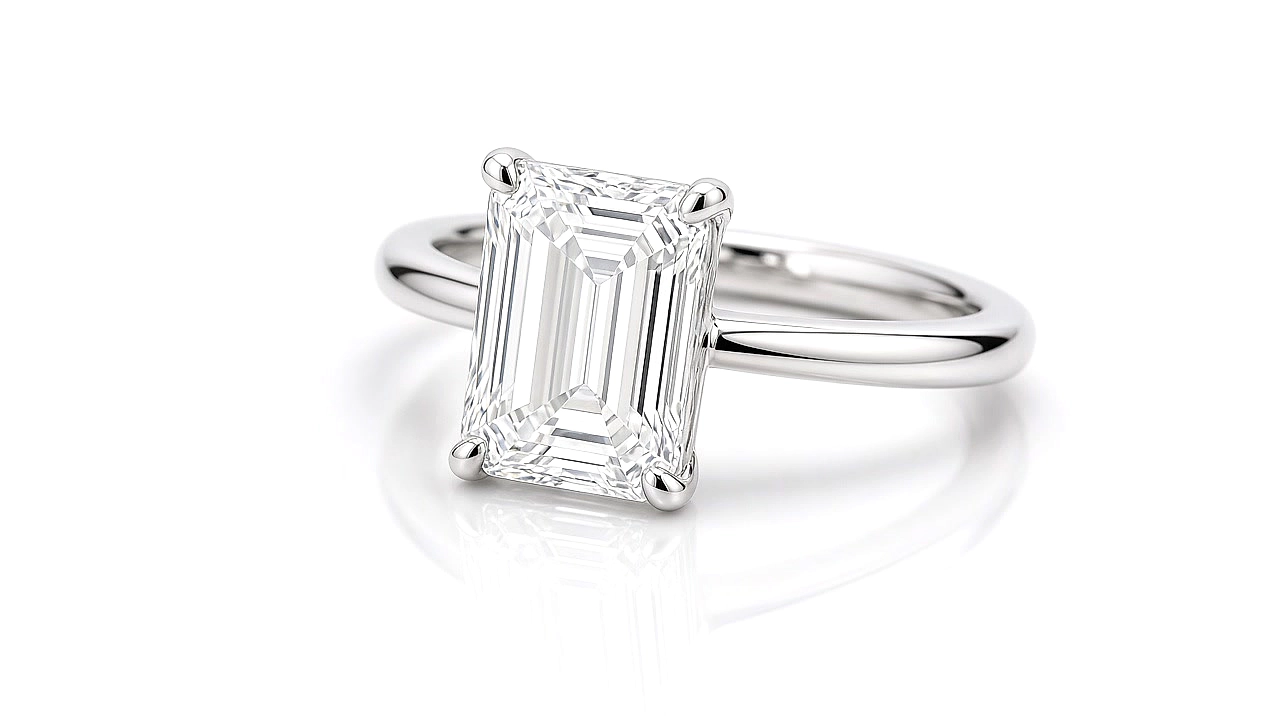
Emerald-cut lab-grown diamond solitaire in white metal
08

Our lane, stated once

We stock IGI-certified laboratory-grown diamonds. We explain moissanite so you do not confuse it with our trays. If you decide silicon carbide fits you better, we would rather you buy it labelled correctly somewhere that specialises in it than stretch our diamond language to cover it.

If lab grown diamonds vs moissanite is the comparison you still hold, bring it to the light. We can show you what carbon diamond looks like with an IGI report in hand. Look through Zoya Diamond lab-grown diamond jewellery, including lab grown diamond engagement ring styles, and ask for the report on any stone that holds you.

Written by

Layla Al Ansari

Luxury Lab-Grown Diamond Specialists

Zoya Diamond is a luxury jeweller specialising in lab-grown diamonds, bespoke engagement rings, and high jewellery. Our editorial team writes about diamond grading, jewellery care, and how to choose the right stone for your story.

  • Lab-grown diamonds
  • Diamond grading and certification
  • Engagement ring selection
  • Bespoke jewellery design
  • Diamond care and maintenance