Skip to content
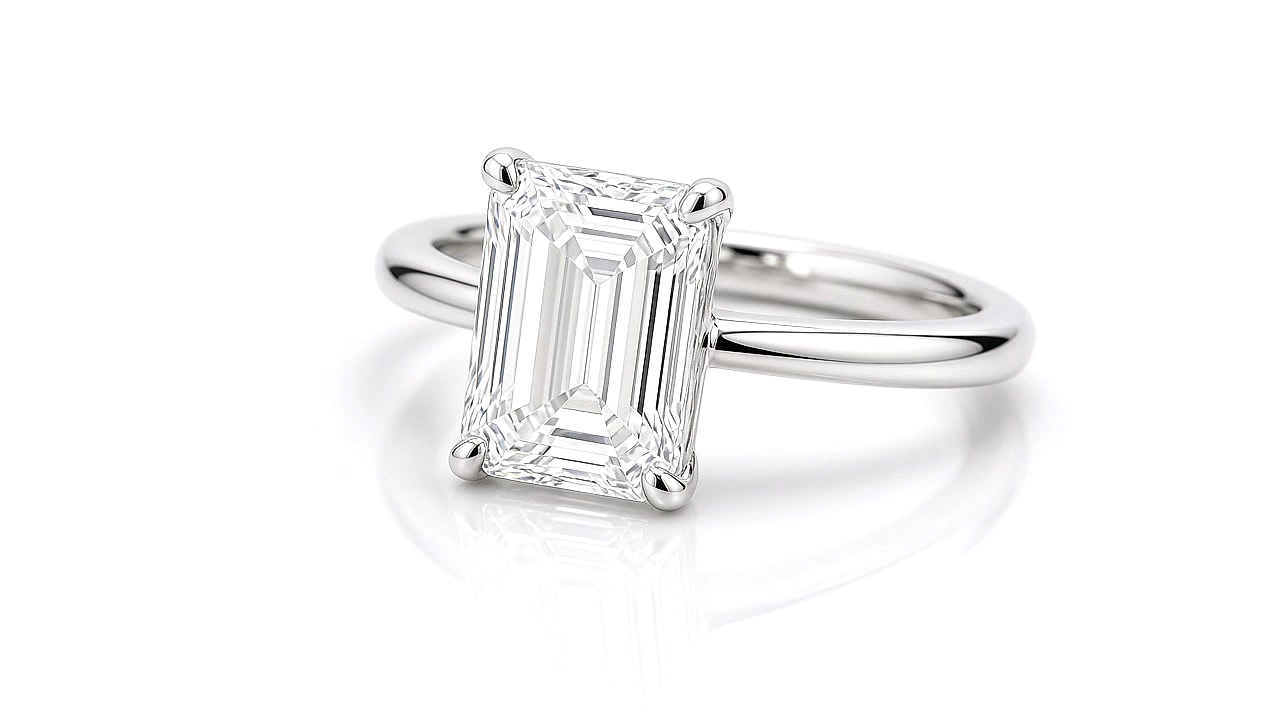
Emerald-cut lab-grown diamond solitaire ring on white studio

How Long Do Lab-Grown Diamonds Last?

September 14, 20265 min readBy Layla Al Ansari

How long do lab grown diamonds last? Laboratory-grown diamond durability matches mined carbon at Mohs 10. Chips, film, and claw wear still happen. Zoya Diamond sets IGI-certified stones built for daily wear.

01

How Long Do Lab-Grown Diamonds Last?

How long do lab grown diamonds last is a durability question dressed as doubt. People hear lab and picture something that softens. The crystal does not soften. A laboratory-grown diamond is carbon at Mohs 10, same hardness class as mined diamond.


Longevity then becomes ordinary jewellery work. Settings loosen. Soap film dulls the table. A girdle can chip if a blow hits at a bad angle. Growth method does not cancel those facts.


At Zoya Diamond we set IGI-certified lab-grown diamonds for wear. We talk about care the way we talk about claws: plainly.
02

What hardness actually buys you

Mohs 10 means diamond scratches other common jewellery materials and resists abrasion that ruins softer stones. Laboratory-grown diamond durability starts there. Daily contact with keys, desks, and door frames will not grind the facets flat the way it can grind softer gems.


Hardness is directional toughness in a limited sense. Diamond can still cleave or chip when force finds a weak plane or a thin girdle. That risk exists for mined and laboratory-grown alike. A protective setting and a sensible claw height matter more than the reactor that grew the seed.


Thermal behaviour also matches. Heat from a torch during sizing or repair is a bench skill problem, not an origin problem. Tell the jeweller the stone is diamond. Hand them the report if they ask.


A thermal tester typically reads a lab grown diamond as diamond. That does not measure lifespan. It only confirms heat moves through the lattice the way diamond heat should.

03

Wear you will see over years

Film is the most common complaint. Skin oils, lotion, and soap leave a coat that kills sparkle until you wash it. Warm water, mild soap, and a soft brush on an open setting restore the look. Ultrasonic cleaning can be fine for many solitaires. Ask first if the setting has channel melee or filled fractures noted on a report.


Claws wear. Tips round. Seats open a hair. A lab grown diamond engagement ring needs the same annual glance under a loupe that any diamond ring needs. Bring it in if a claw feels sharp or a stone rocks.


Metal scratches long before the diamond does. Polishing the band is maintenance. It is not a sign the centre failed.


Chips happen on edges and points. Emerald cuts and sharp corners need more care in daily knocks. Round brilliants hide small edge bruises better. Outline choice is part of longevity planning.

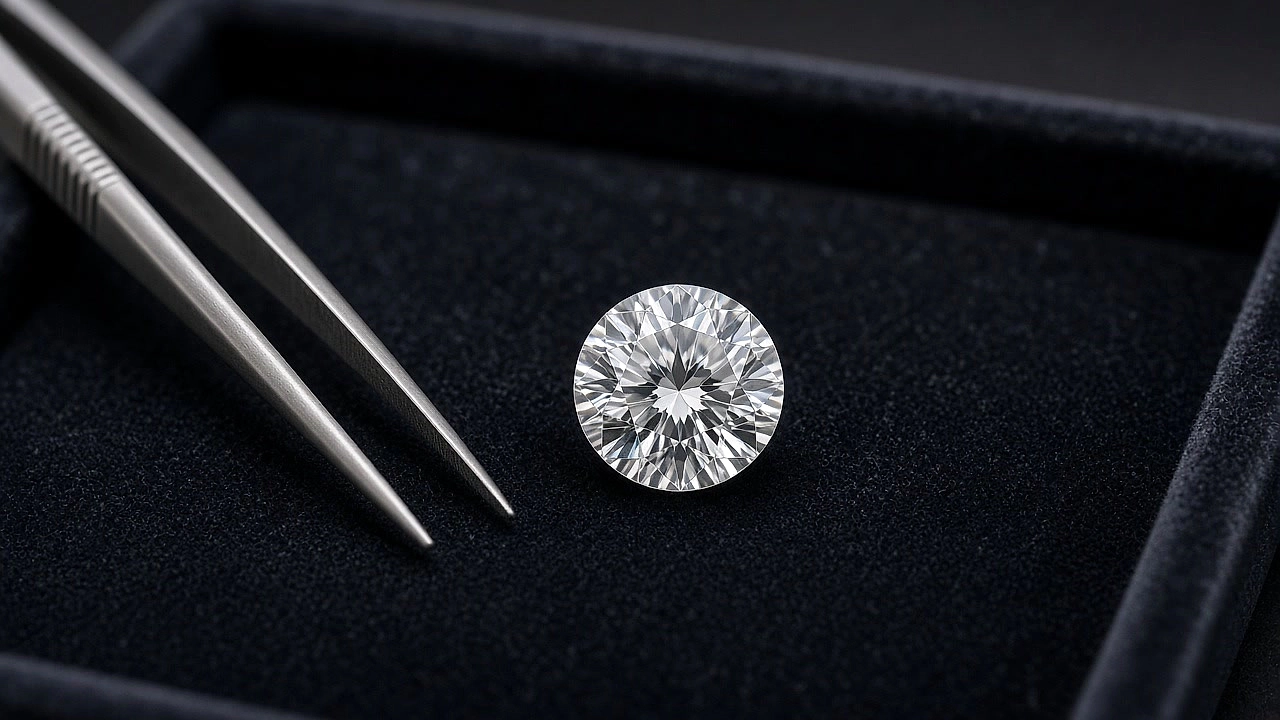
Loose round brilliant lab-grown diamond beside tweezers
04

Does a lab grown diamond last forever

Forever is a word jewellers avoid for anything with a claw. The crystal can outlast many settings if you keep the mount sound. Generational wear is realistic for diamond of either origin when care is ordinary and impacts are rare.


Colour and clarity grades on an IGI-certified report describe the stone as graded. They are not a timer. A clean stone does not yellow because it was grown in a lab. Surface film can make any diamond look tired until cleaned.


Cloudiness questions often mix three things: dirty surface, a clarity characteristic already on the report, or confusion with a simulant. Moissanite is silicon carbide. Cubic zirconia wears differently and can look milky as it scratches. Do not borrow their failure modes for diamond.


If someone promises a lab grown diamond never chips, walk away. Honest shops name the girdle risk and show you how the setting protects it.

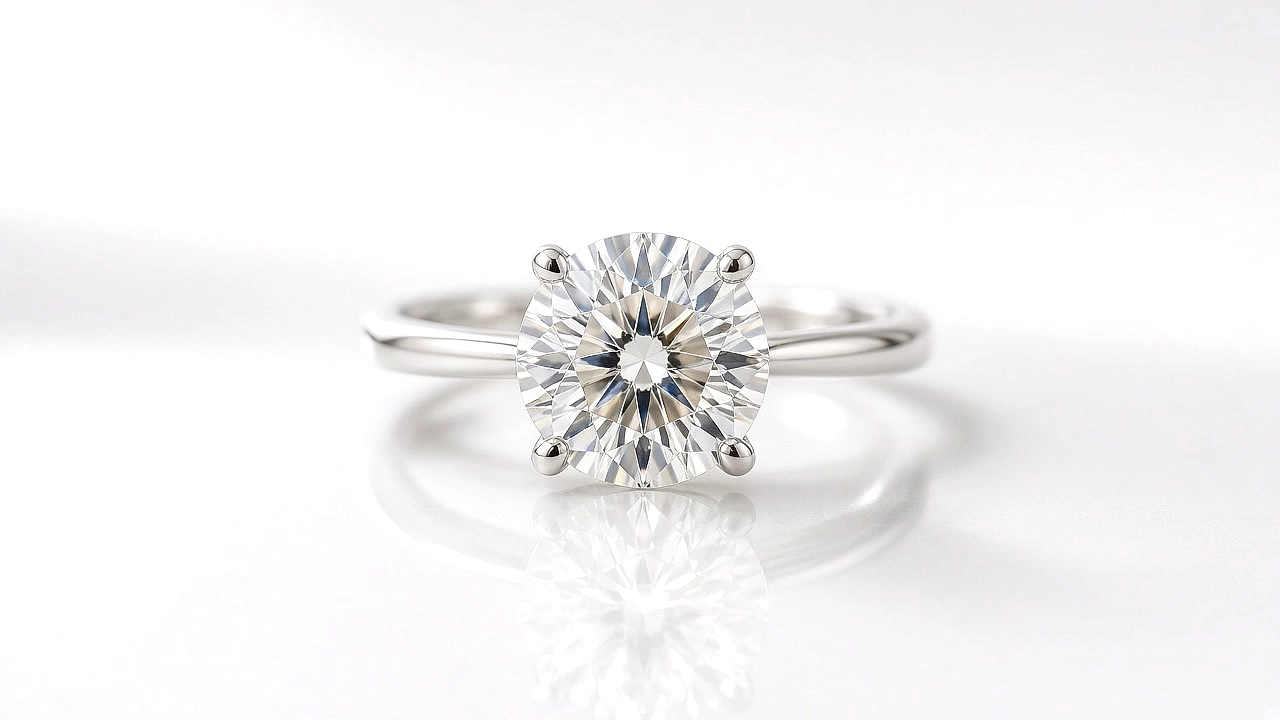
Round brilliant lab-grown diamond solitaire in white metal
05

Setting and lifestyle decide more than origin

A low-profile bezel shelters edges. A high solitaire flashes more and catches doorframes more. Neither choice is wrong. Match height to how you use your hands.


Active work, gym sessions, and heavy gardening are moments to remove the ring. That advice is older than laboratory-grown stock. It still holds.


Resize and retip work should stay with a bench that handles diamond routinely. At Zoya Diamond we plan settings for laboratory-grown centres we sell. Customer-owned stones from elsewhere need a policy check before torch work. Ask early.


Store the ring so the diamond does not grind a softer gem in the same box. Hardness 10 wins that fight. Your sapphire or pearl loses.

06

What the report has to do with lasting value

An IGI-certified lab grown diamond comes with a report that states laboratory-grown and records the 4Cs. Keep a copy for insurance. Many insurers treat the piece as jewellery with a stated replacement value. Ask how they want the IGI number stored.


The report does not make the stone tougher. It makes replacement and identification calmer if the ring is lost or damaged. Match any girdle inscription to the printed number. Verify on IGI's site while you still have the stone in hand.


Cut quality affects how the stone looks after years of cleaning cycles. A mushy cut stays mushy. Buy the light return you see in the room. Longevity of beauty is partly cut, partly hygiene, partly metal upkeep.

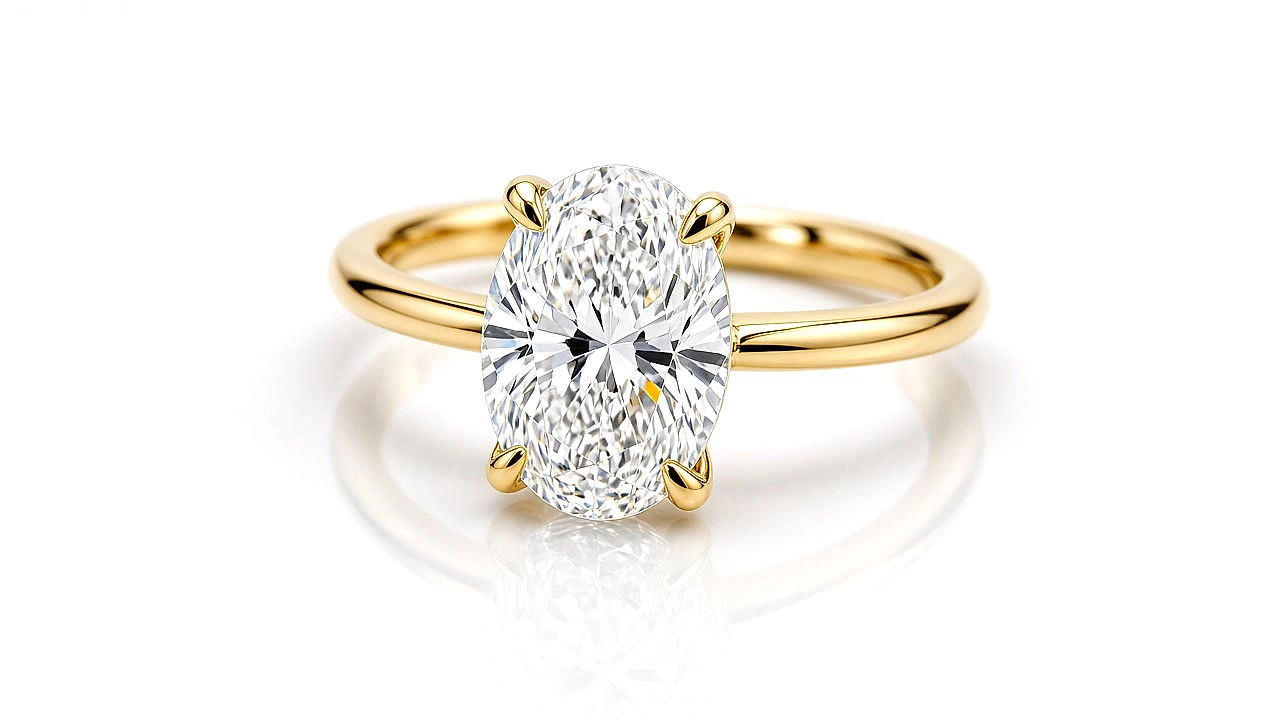
Oval lab-grown diamond solitaire in yellow gold
07

Care habits that stretch the life of the jewellery

Remove the ring for harsh chemicals when you can. Chlorine and abrasive cleaners are harder on metal and on any treated or filled materials than on the diamond lattice itself.


Check prongs after travel. Soft pouches beat tossing the ring into a hard case with other stones.


If you notice a dark corner in a claw seat, book a clean and tighten. Dirt packed under a girdle is common. It is not growth failure.


We would rather see you once a year for a quick inspect than hear that a stone spun in a loose seat. Laboratory-grown diamond durability includes the mount.

Emerald-cut lab-grown diamond solitaire in white metal
08

Practical answer we give at the counter

A lab grown diamond lasts as long as diamond lasts under the same wear. Expect decades of daily use when the setting is maintained. Expect cleaning to restore brightness. Expect possible chips if physics gets a vote.


Secondary-market price is a separate topic from physical life. Tickets for laboratory-grown have moved as supply scaled. Wear life and resale life are not the same sentence. We keep them apart on purpose.


If how long do lab grown diamonds last is the question you still carry, bring the ring you are considering into the light. We will show claw coverage, talk care, and open the IGI-certified report with you. Look through Zoya Diamond lab-grown diamond jewellery, including lab grown diamond engagement ring styles, and ask how we would maintain the setting you like.

Written by

Layla Al Ansari

Luxury Lab-Grown Diamond Specialists

Zoya Diamond is a luxury jeweller specialising in lab-grown diamonds, bespoke engagement rings, and high jewellery. Our editorial team writes about diamond grading, jewellery care, and how to choose the right stone for your story.

  • Lab-grown diamonds
  • Diamond grading and certification
  • Engagement ring selection
  • Bespoke jewellery design
  • Diamond care and maintenance
How Long Do Lab-Grown Diamonds Last? | Zoya Diamond