Skip to content
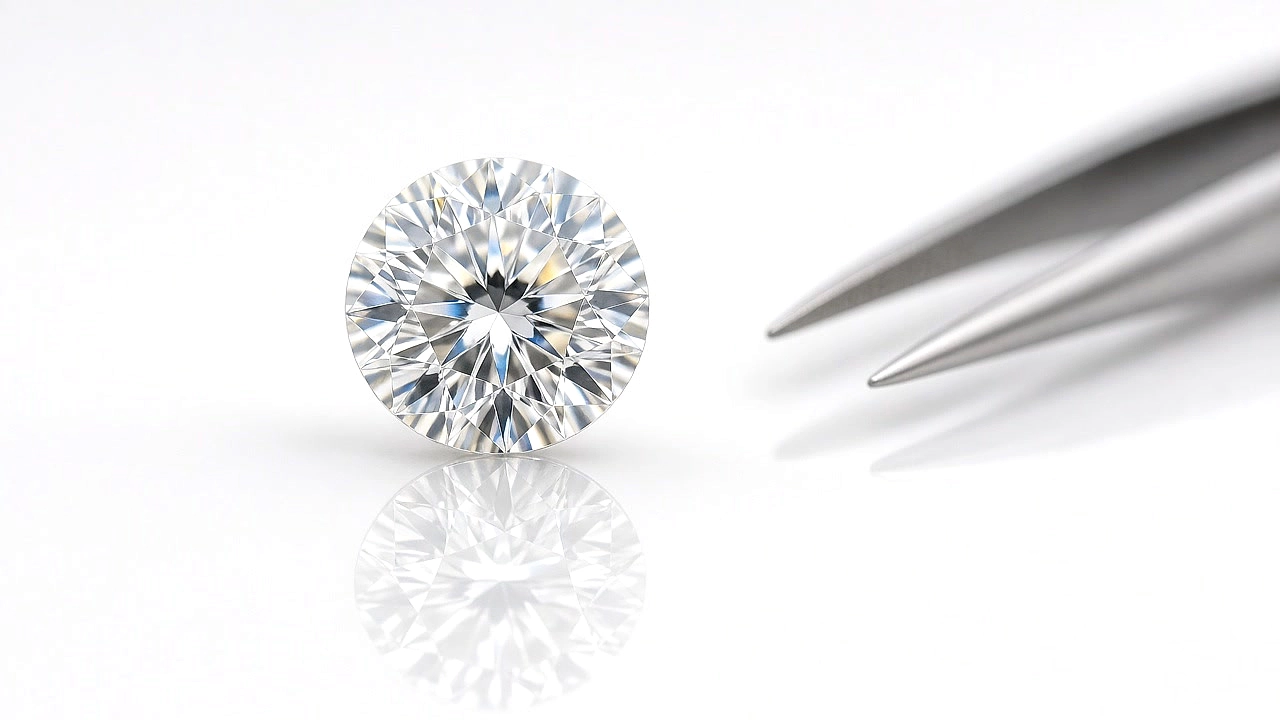
Loose round brilliant lab-grown diamond with tweezers on white studio

How Are Lab-Grown Diamonds Made? The Complete Process

September 14, 20265 min readBy Layla Al Ansari

How are lab grown diamonds made starts with a seed and HPHT or CVD growth. Cutting follows, then an IGI-certified report. Zoya Diamond sets laboratory-grown stones only.

01

How Are Lab-Grown Diamonds Made? The Complete Process

How are lab grown diamonds made is a machine question dressed as a jewellery question. People want to know if carbon in a chamber is still diamond on the finger. It is. The process is growth, then ordinary diamond cutting, then a report that prints origin.


At Zoya Diamond we set IGI-certified laboratory-grown diamonds only. We do not run reactors in the shop. We do read the origin line with you, and we try to keep the process talk concrete enough that the tray still matters.
02

Seed first, then the chamber

Every lab grown diamond starts with a diamond seed. The seed is a thin plate of diamond crystal. Carbon builds on that plate until a rough crystal is large enough to cut.


Two growth methods dominate trade talk: HPHT and CVD. CVD vs HPHT is a useful search. It is a pair of tools with different chamber conditions.


HPHT diamonds grow under high pressure and high temperature. The chamber recreates conditions closer to how diamond forms deep in the earth, compressed around a seed with a carbon source. Growth takes time measured in days to weeks depending on size and equipment. Skip memorising the megapascal number. Read whether the report notes HPHT if the lab records it.


CVD diamonds grow from carbon-rich gas. The seed sits in a chamber. Plasma or related energy breaks the gas so carbon atoms deposit layer by layer. CVD can build large plates. Those plates still need cutting into polished stones.


Neither method produces a finished engagement ring. Both produce rough. Rough still needs a cutter's plan, a polishing wheel, and patience at the facet junctions.

03

From rough crystal to polished stone

The lab grown diamond process after growth looks familiar to anyone who has watched mined rough move through a cutting house. The rough is mapped. A shape is chosen. Weight is traded against outline and light return.


Round brilliant remains the outline most people already call diamond. Oval stretches light down the finger. Emerald cut shows the cutter's honesty in the open table. A mushy cut stays mushy whether the carbon came from a mine or a chamber.


Polish and symmetry sit on the report language you already know from mined stones. We would rather you see two neighbouring stones in the tray than memorise every report field alone. Facet junctions should look sharp under a loupe. The table should return light the way diamond does.


Colour and clarity still use the D-to-Z scale and the same clarity family on IGI-certified laboratory-grown reports. Growth can leave its own inclusion patterns. That is laboratory work for graders. Your job is to look, then match paper to stone.

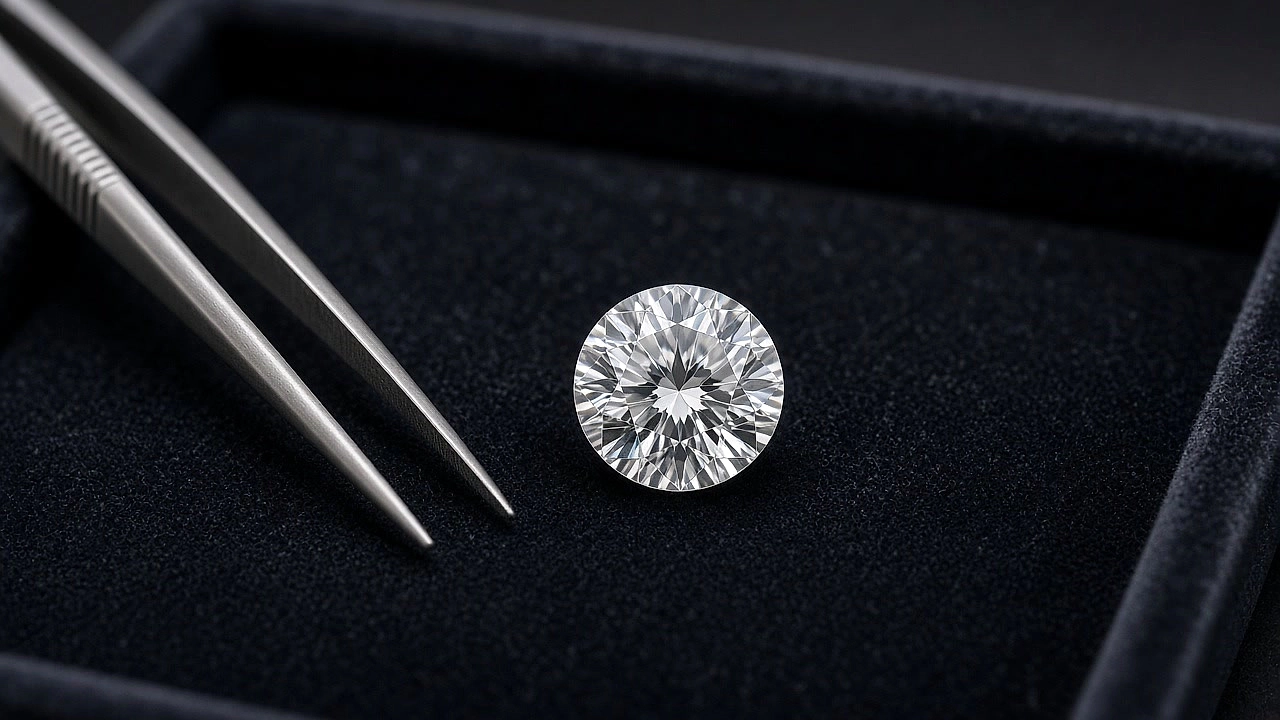
Loose round brilliant lab-grown diamond beside tweezers
04

What IGI-certified records after growth

An IGI-certified lab grown diamond comes with a report that states laboratory-grown. IGI screens origin first. Mined and laboratory-grown both pass as diamond. A simulant fails that screen.


Growth method may appear on the report. When a girdle inscription is present, it should match the report number. Tilt the stone under a 10x loupe and walk the girdle. If those two disagree, we stop.


Do not treat a cropped photo of a certificate as enough. Check the number on IGI's verification page. We would rather you do that while you are still sitting with us.


The report records the stone you can hold. It does not invent sparkle the cut failed to deliver. Buy the cut you can see in the room, then keep the paper in a sleeve.


Zoya Diamond uses IGI for our stones. The report is the document we hand you. That is the end of the process that matters for purchase: growth happened, cutting happened, origin is printed.

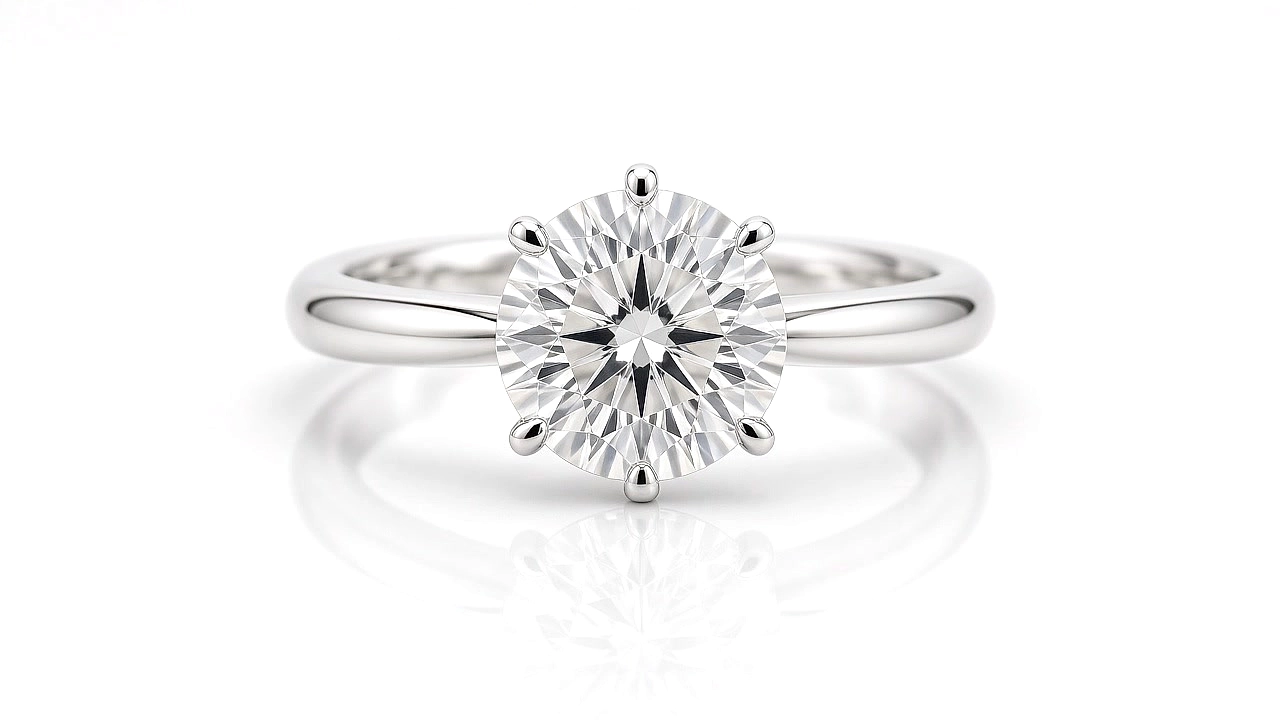
Round brilliant lab-grown diamond solitaire in white metal
05

Setting the stone into a lab grown diamond engagement ring

After polish, the lab grown diamond goes into metal. Claws or bezels hold carbon the same way they hold mined diamond of the same size and outline. Shared settings do too.


A lab grown diamond engagement ring wears like diamond of the same cut and setting. Soap film dulls it until you wipe it. Sunscreen on the band is still a nuisance. Warm water and mild soap handle ordinary care. A soft brush helps if the setting is open.


Yellow gold and white gold change how the edge of the diamond reads against skin. Try the same stone in two metals if you can. The growth chamber is already finished work by then. Your eye is doing the remaining job.


Energy use and factory practice vary by producer. We do not invent a single carbon footprint number for the whole category. Ask a seller what they can document. Prefer a report you can verify over a slogan about process.


After growth, some rough goes through treatment steps that graders may note. Ask if the report records any post-growth treatment. Calm questions beat a brochure. The polished stone you buy should match the paper in front of you.


How are lab grown diamonds made also includes sorting and grading time. Origin screening happens before the 4Cs language lands on the page. That order matters. A simulant fails the diamond screen. A laboratory-grown diamond passes as diamond and then receives colour and clarity grades on the same kind of scale used for mined stones.

06

What the process does not change at the counter

How are lab grown diamonds made does not change hardness. Mohs 10 still applies. A blow at a bad angle can still chip a girdle. Store the ring so the diamond does not grind a softer gem in the same box.


Shops cannot reliably split laboratory-grown from mined with a loupe alone. Screening sits with the grading lab. A thermal tester typically reads a lab grown diamond as diamond. Moissanite can fool an older thermal probe. Cubic zirconia fails diamond tests and looks wrong at the facet edges.


If a listing uses lab as fog over a simulant, the process story is marketing. Ask for the IGI-certified report. Match the girdle. Read laboratory-grown on the page.


CVD vs HPHT can matter to graders and to some buyers who want a method noted. For most people buying a ring, method is a line on paper. Cut and outline are what you live with every day.


If you came in asking how are lab grown diamonds made, bring the follow-up to the tray. We would rather walk an IGI-certified lab grown diamond through the light with you than sell you a reactor diagram. Look through Zoya Diamond lab-grown diamond jewellery, including lab grown diamond engagement ring styles, and ask for the report on any stone that holds you.

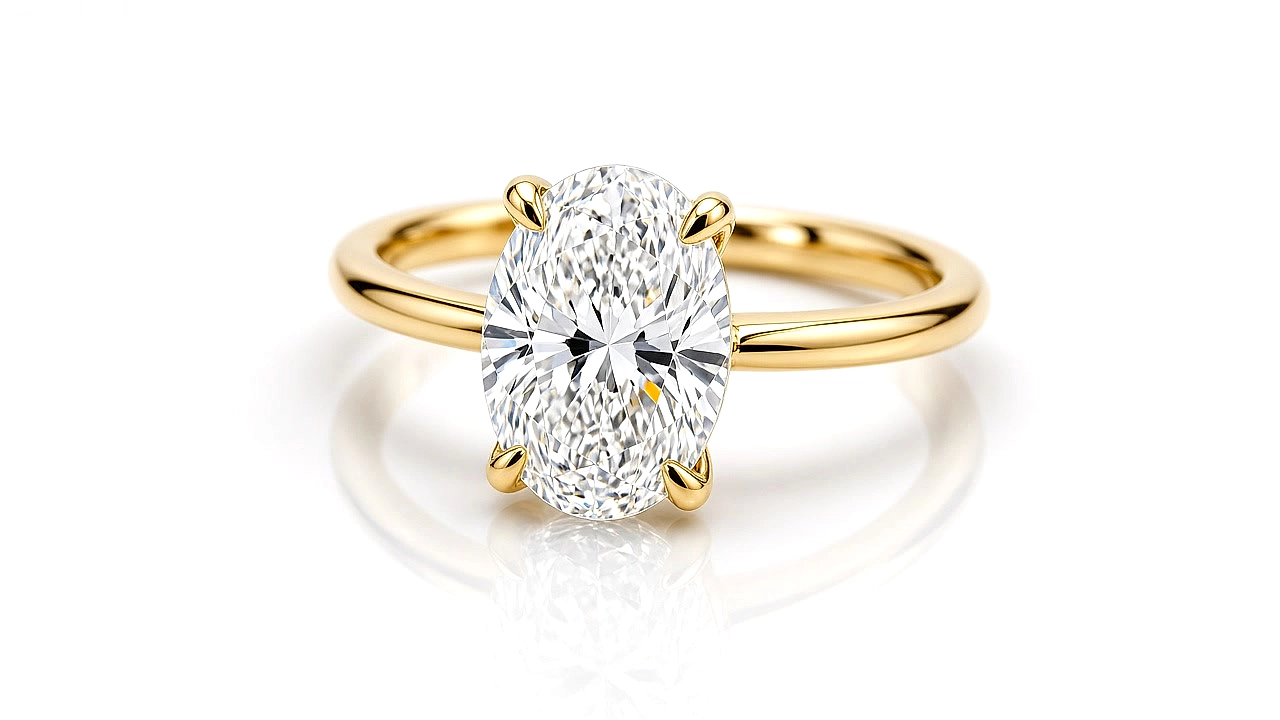
Oval lab-grown diamond solitaire in yellow gold

Written by

Layla Al Ansari

Luxury Lab-Grown Diamond Specialists

Zoya Diamond is a luxury jeweller specialising in lab-grown diamonds, bespoke engagement rings, and high jewellery. Our editorial team writes about diamond grading, jewellery care, and how to choose the right stone for your story.

  • Lab-grown diamonds
  • Diamond grading and certification
  • Engagement ring selection
  • Bespoke jewellery design
  • Diamond care and maintenance