Skip to content
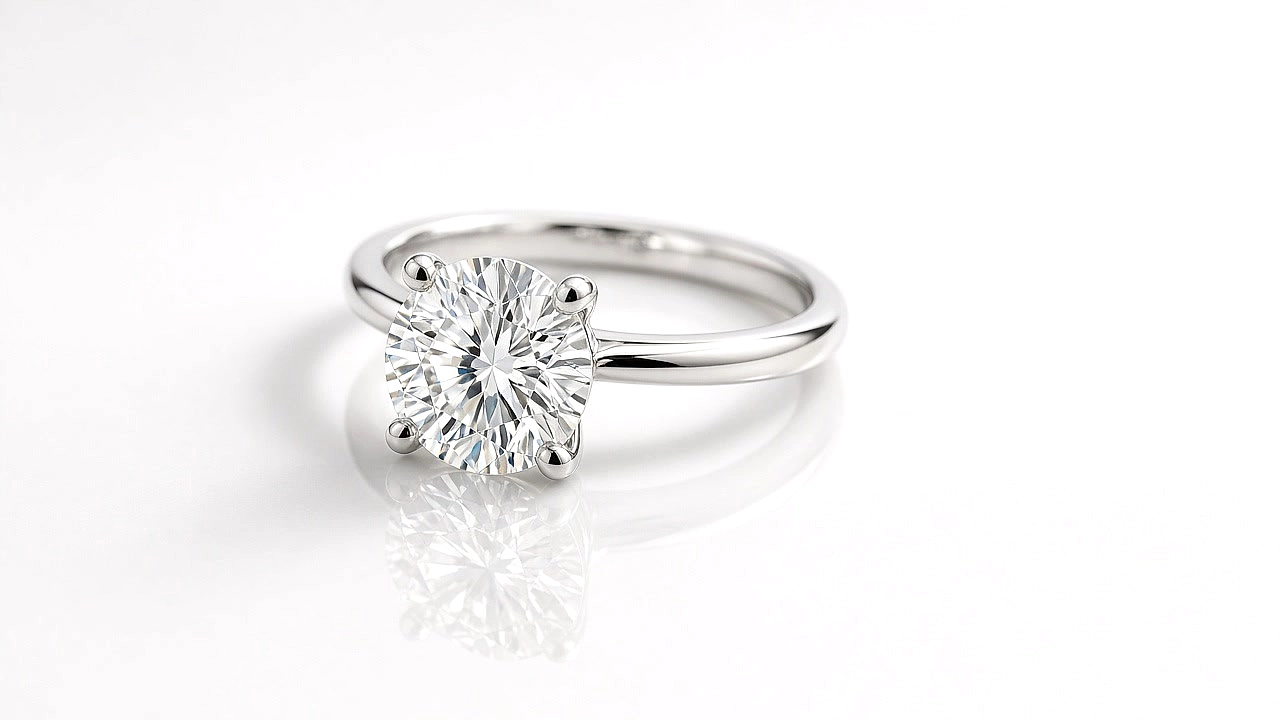
Round brilliant lab-grown diamond solitaire engagement ring in white metal, face-up on white studio surface

Are Lab-Grown Diamonds Real Diamonds?

September 13, 20266 min readBy Layla Al Ansari

People ask are lab grown diamonds real because lab sounds like a substitute. A lab grown diamond is carbon diamond with origin on an IGI-certified report. Zoya Diamond sets laboratory-grown stones only.

01

Are lab grown diamonds real?

People ask us are lab grown diamonds real before they ask about cut. The word lab does that. It parks the stone next to costume jewellery in the same mental drawer, even when the tray in front of you is carbon.

A lab grown diamond is diamond, carbon locked in a crystal at hardness 10. The 4Cs still apply. The report is where origin gets written down.

At Zoya Diamond we set IGI-certified lab-grown diamonds only. We try to answer the authenticity question with the stone under a light, the way we would across a counter.
02

Are lab grown diamonds real diamonds under trade rules?

If the question is are lab grown diamonds real diamonds, and you mean carbon diamond, yes. Trade guidance in the United States treats a laboratory-grown stone as diamond when it matches a mined stone in chemistry and in how light moves through it. The Federal Trade Commission wrote that down. A seller still has to say laboratory-grown, because buyers have a right to origin.

Growth is HPHT or CVD. One uses pressure and heat. The other grows from carbon-rich gas on a seed. Skip memorising the reactor. Read the origin line.

In our experience the room changes when the loupe comes out. Facet junctions look sharp. The table returns light the way diamond does. Many IGI-certified stones carry a laser inscription on the girdle that matches the report number. That pair, stone and paper, is what we want you to leave with.

Shops cannot reliably split a lab grown diamond from a mined diamond with a loupe alone. Screening sits with the grading lab. That is why we keep pointing at the paper.

03

Why the search "are lab diamonds real diamonds" stays busy

Suspicion was taught. For a long stretch, shop language used diamond on stones that were not diamond. Buyers learned to flinch at a low price and a glossy photo. Keep that flinch. Ask for the report.

So, are lab diamonds real diamonds? A carbon stone with laboratory-grown on the paper is diamond. A listing that uses lab as a fog word over moissanite or cubic zirconia is a different product. Those listings exist. They are why this question will not die.

Plenty of buyers hear real and hear natural. Natural, in a jeweller's mouth, means mined. Real means the material is diamond. Mined stones are natural diamond. A lab grown diamond is laboratory-grown diamond. Either stone will scratch a sapphire. Either can chip on the girdle if a blow hits at a bad angle.

We prefer two labels and no poetry: laboratory-grown diamond, or mined diamond. If a page says only diamond and the ticket looks like a favour, ask where the origin line is.

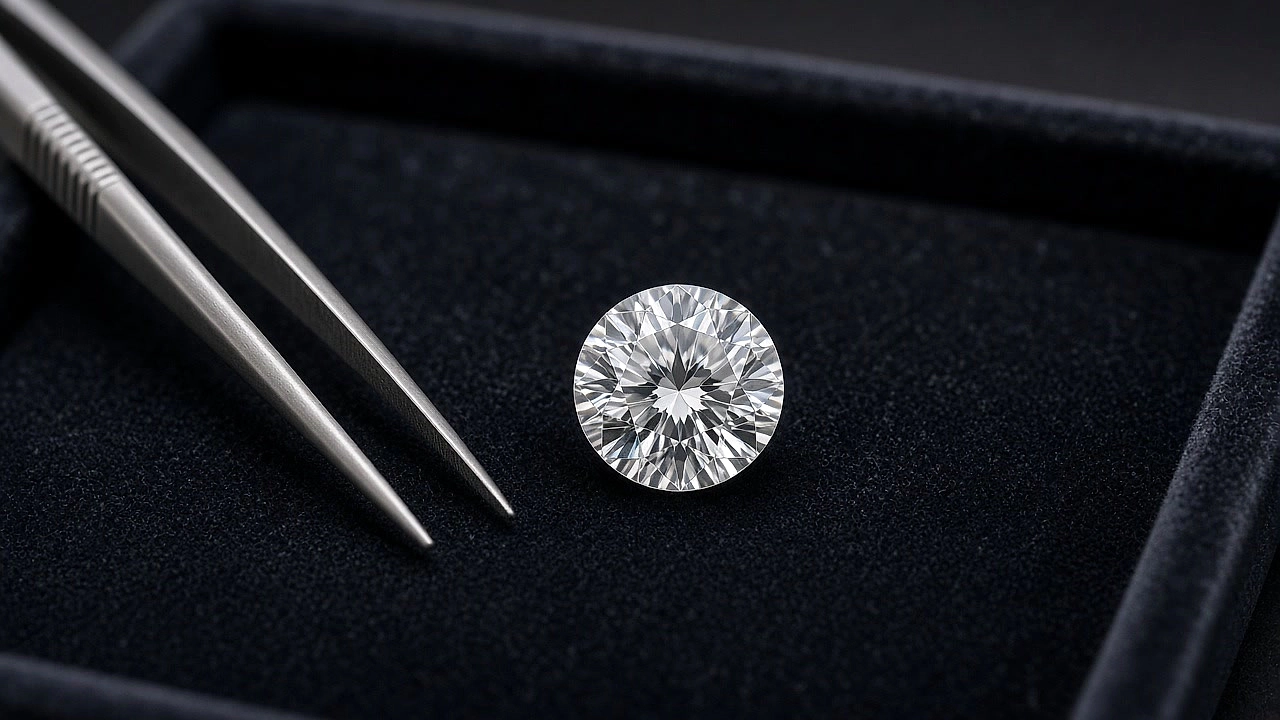
Loose round brilliant lab-grown diamond on a dark jeweller tray beside steel tweezers
04

What a tester does with a lab grown diamond

The stone people mix up with a lab grown diamond is often a simulant. Moissanite is silicon carbide. Cubic zirconia is an oxide, and it wears like a different stone.

A thermal tester typically reads a lab grown diamond as diamond. Heat moves through that lattice the way it moves through a mined stone. People also type "do lab diamonds pass a diamond tester" next to are lab grown diamonds real. They usually pass.

Moissanite can fool an older thermal probe. Jewellers who see both in a week will often run a second check, or open the report and skip the demonstration. We try to. A 10x loupe will not reliably split lab-grown from mined. The same loupe will often split diamond from cubic zirconia, because CZ rolls at the facet edges and the weight in the hand feels wrong.

If you hoped your eye would do the origin work, you may notice it cannot. That is ordinary. Origin is laboratory work.

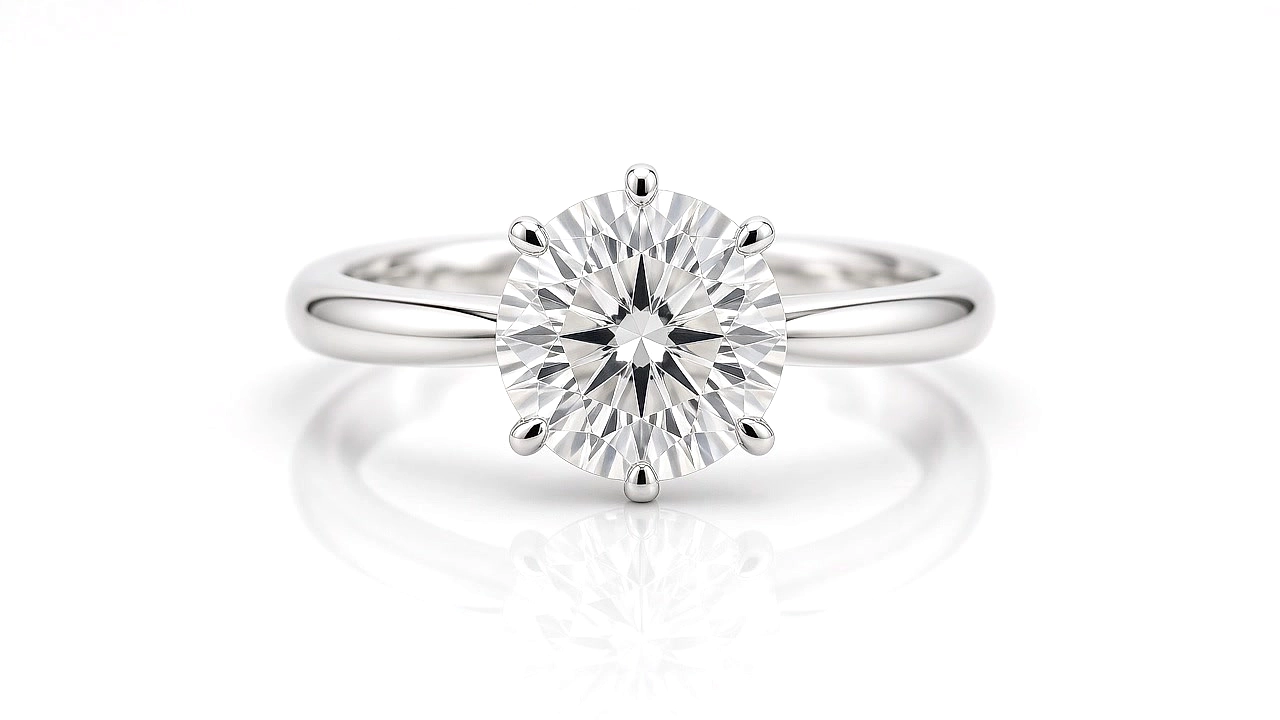
Round brilliant lab-grown diamond solitaire engagement ring in white metal, six-claw setting
05

What IGI-certified puts on paper

An IGI-certified lab grown diamond comes with a report that states laboratory-grown. The 4Cs sit on the same kind of scale used for mined diamond. IGI screens origin first. Mined and laboratory-grown both pass as diamond. A simulant fails that screen.

Colour language on an IGI-certified lab grown diamond uses the D-to-Z scale. Clarity uses the same family of terms you already know from mined stones. We would rather you see two neighbouring grades in the tray than memorise the letters alone.

Zoya Diamond uses IGI for our stones. The report is the document we hand you. When a girdle inscription is present, it should match the report number. Tilt the stone under a 10x loupe and walk the girdle. If those two disagree, we stop.

Do not treat a cropped photo of a certificate as enough. Check the number on IGI's verification page. We would rather you do that while you are still sitting with us.

The report records the stone. A mushy cut stays mushy on paper. Buy the cut you can see in the room, then keep the paper in a sleeve.

06

A lab grown diamond engagement ring on the hand

A lab grown diamond engagement ring wears like diamond of the same cut and setting. The claws hold carbon. Soap film dulls it until you wipe it. Sunscreen on the band is still a nuisance.

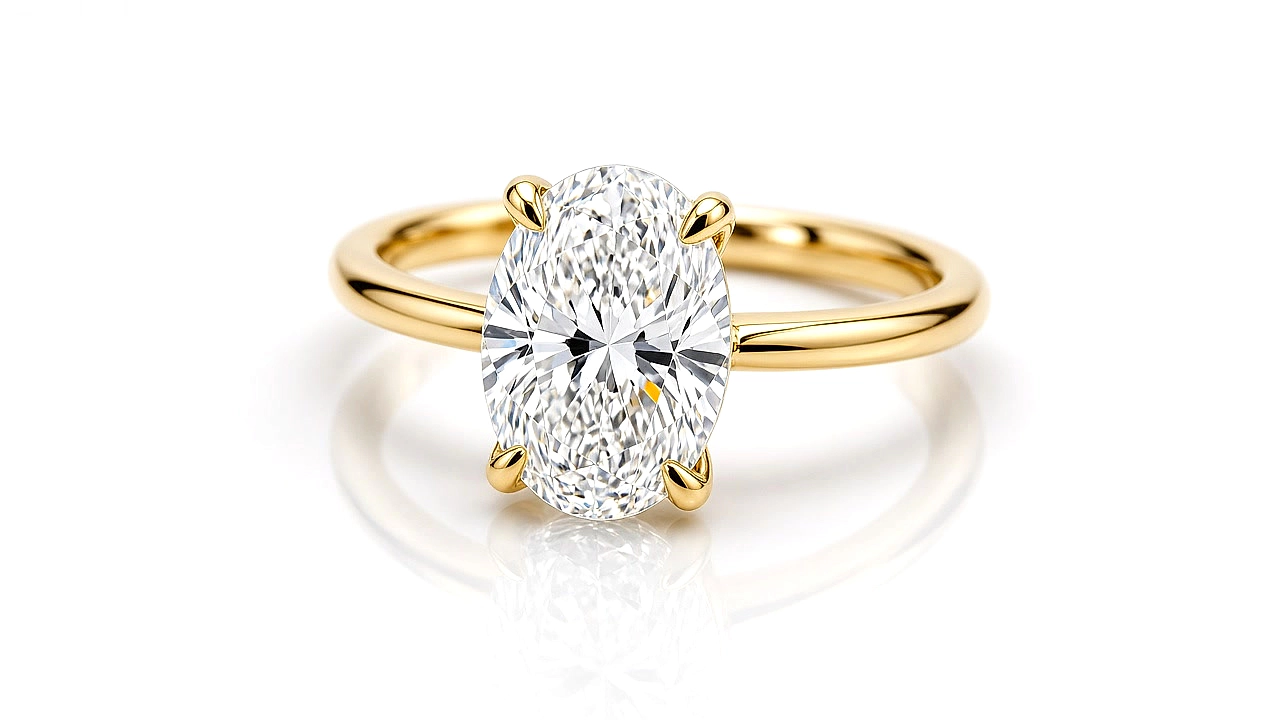
Round brilliant is the outline most people already call diamond. Oval stretches the light down the finger, so try that shape if you want length more than a compact flash.

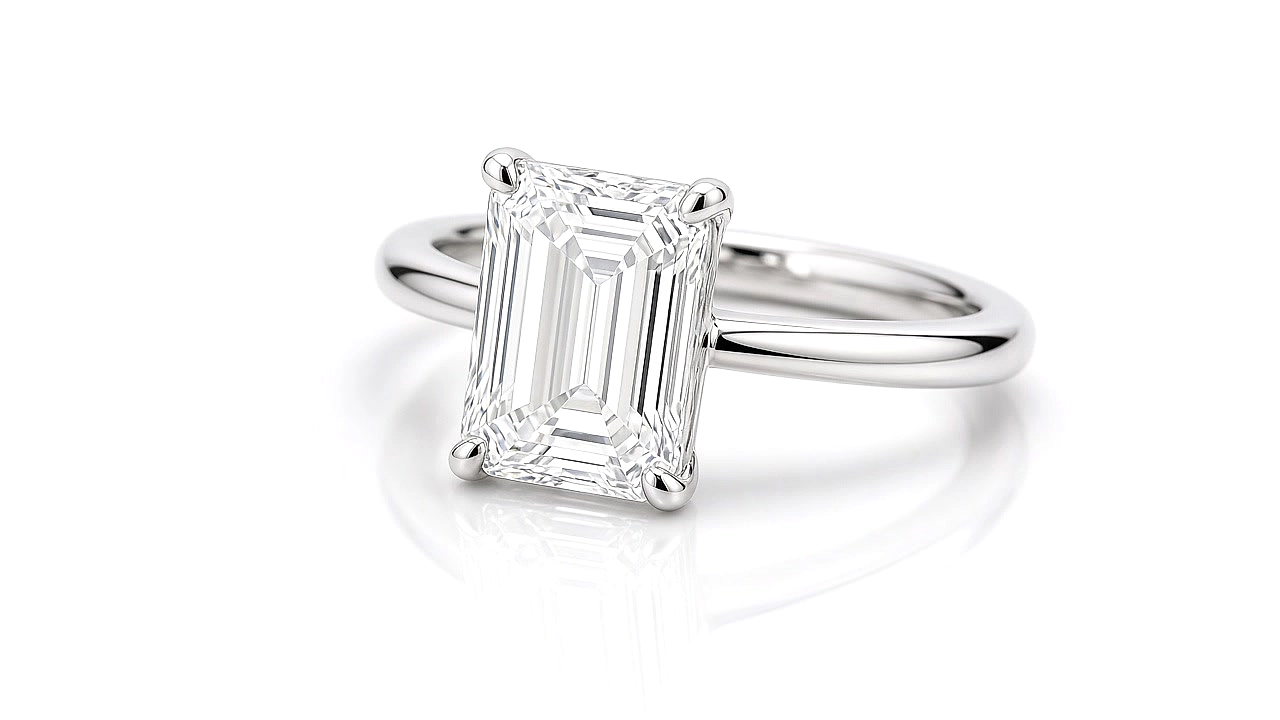
Emerald cut is a different conversation. Windows show if the cut is lazy. A quiet open table shows if the proportions are sound. Compare outline and metal before you argue origin. Origin is already on the IGI page.

Yellow gold and white gold change how the edge of the diamond reads against skin. Try the same lab grown diamond in two metals if you can. The stone stays. Your eye may not.

For a lot of buyers the point is carat for the budget. A lab grown diamond often costs less per carat than a mined stone of like grade, so the centre can step up without rewriting the household numbers. That is a preference. Some people still want mined. We do not hold mined inventory. We can still talk through why someone would choose it.

If mined-market resale is the job, say that early. A lab grown diamond engagement ring is for wear, and for a documented laboratory-grown origin. The secondary market is younger and thinner. Prices have moved as factories scaled. We have watched tickets come down. That can sting if you wanted the stone to act like a scarce mine parcel.

Oval lab-grown diamond engagement ring in yellow gold solitaire setting
07

What your eye will miss, and what to ask anyway

Origin is printed. Your unaided eye will not print it. That is the honest core of this category.

Insurance typically treats a lab grown diamond as jewellery with a stated replacement value. Ask how your insurer wants the IGI number stored. We try to put a copy of the report in your folder before you leave.

Care is ordinary. Warm water and mild soap. A soft brush if the setting is open. Store the ring so the diamond does not grind a softer gem in the same box. Hardness 10 is not a promise the girdle cannot chip.

See the stone next to the IGI-certified report, and match any girdle inscription to the number. If growth method is noted, read that line too. Calm questions sort a real lab grown diamond from a listing that only borrowed the word.

If you are still carrying are lab grown diamonds real into the shop, bring it. We would rather walk an IGI-certified lab grown diamond through the light with you than sell you a paragraph. Look through Zoya Diamond lab-grown diamond jewellery, including lab grown diamond engagement ring styles, and ask for the report on any stone that holds you.

Emerald-cut lab-grown diamond solitaire ring in white metal

Written by

Layla Al Ansari

Luxury Lab-Grown Diamond Specialists

Zoya Diamond is a luxury jeweller specialising in lab-grown diamonds, bespoke engagement rings, and high jewellery. Our editorial team writes about diamond grading, jewellery care, and how to choose the right stone for your story.

  • Lab-grown diamonds
  • Diamond grading and certification
  • Engagement ring selection
  • Bespoke jewellery design
  • Diamond care and maintenance
Are Lab-Grown Diamonds Real Diamonds? | Zoya Diamond